

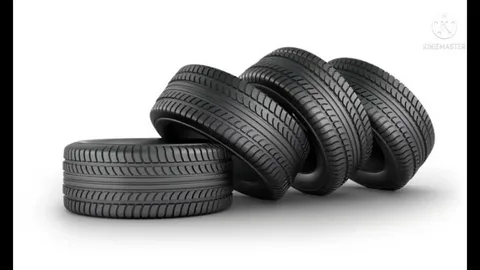
Van and car tyres may look the same, but in reality, they are built differently. Vans often carry heavy loads, cover long distances, and endure constant stop-and-go driving during deliveries. These factors put much greater strain on tyres compared to everyday car use. These van tyres are designed to handle the extra demands of commercial driving. Without the correct tyres, a van can suffer from increased wear, reduced safety and costly downtime. This blog explains the difference between car tyres and van tyres and explains why choosing the right tyres is important.
How Are Van Tyres Different From Car Tyres?
Car tyres are designed primarily for passenger comfort, vans are expected to carry heavy loads, cover long distances, and often tackle tough road conditions, as van tyres need to be strong and durable. They need to be built for:
Heavy Loads
Vans are regularly used for transporting goods, delivering, or transporting tools and equipment from one place to another. To handle this, van tyres in Tottenham are designed for carrying heavy loads, which is why reinforced with a strong sidewall and a higher load rating compared to standard passenger car tyres.
Harsh Road Conditions
Cars are mainly used for daily commuting, travelling, and picking up children from one place to another. Vans are used for commercial purposes, such as building sites, industrial estates, or uneven surfaces. Van tyres are designed to cope with these tougher terrains, which may be uneven and unpaved.
High Mileage
Vans’ tyres need to withstand constant use, so they are built with durable treads that last longer under pressure.
What Makes Tyres for Vans Different?
These are the key differences that set this tyre apart from a car tyre, including air pressure, tread design, durability, and others.
Load Capacity
The load capacity of the van tyres is more than that of car tyres. It is made with heavier rubber and has more layers than car tyres. They have a reinforced carcass that resists deformation and is specially designed to handle constant heavy loads.
Durability
It is more durable than car tyres because it uses a reinforced rubber compound that is flexible in tough conditions, and it also uses extra ply layers and strong steel belts that provide stiffer, thicker sidewalls. These features of the tyre have helped to carry heavy cargo regularly and for long-distance driving.
Tyre Air Pressure
Van tyres need to withstand the constant loading and unloading of goods. They should be inflated and deflated for the increase and decrease in weight during use.
Tread Design
Van tyres tread design refers to the pattern of grooves, blocks, gaps, and ribs on the tyre surface, especially engineered for load-carrying, durability, and stability. It has deeper grooves that improve grip and water drainage, wider tread blocks that help handle heavy loafs, stronger rubber compounds that resist wear under pressure, and simple, symmetrical patterns that ensure even wear and long life.
Sidewall Strength
The sidewall of a van tyre is specially designed to be stronger and more rigid than that of a car tyre. It plays a key role in supporting heavy loads and maintaining tyre stability.
Reinforced Construction
It uses extra ply layers and a stronger rubber compound in the sidewall. It increases resistance to cuts and damage and helps the tyre carry heavy weights without deforming.
Load Support and Stability
It helps to prevent excessive bending under load and keeps the tyre’s share stable, even when fully loaded and improves balance and control, especially during turns.
Work With Higher Air Pressure
Its sidewalls are built to handle the rough roads and potholes, kerbs, and turns.
Can Someone Fit Van Tyres in a Car?
It is not recommended to put van tyres on a car. While tyres for vans are stronger and more durable, vehicles should be fitted with tyres that match their speed capabilities. Vans operate at slower speeds compared to cars to accommodate heavier loads.
Having the right vehicle tyres is also important for road safety as the right tyres improve handling, braking, and stability. Choosing the right tyres for your vehicle can help improve fuel efficiency and reduce CO2 emissions.
Choosing the Correct Tyres for the Vehicle
Van tyres have stronger sidewalls for higher load ratings. Van tyres are essential for safe driving. Some of the most reliable tyre brands in the industry for tyres are Continental, Pirelli, Bridgestone Tyres Tottenham and other manufacturer brands. Selecting tyres from trusted brands helps to find the best tyre which improves safety, performance and durability.
Conclusion
Van and car tyres look similar, but they have different sizes and properties, and are made with rubber components, making them ideal for carrying goods and handling heavy, constant use. They have reinforced construction, thicker sidewalls and a deeper tread pattern that ensure stability under pressure. Car tyres are built for comfort, performance, and fuel efficiency. They offer better grip, smoother handling, and quieter driving.