

The automotive industry is undergoing a fundamental transformation driven by the demand for lighter vehicles, improved fuel efficiency, enhanced safety, and lower emissions. At the heart of this evolution lies Body-in-White (BIW) design—the stage where the vehicle’s structural frame is assembled before painting and final integration. One of the most significant shifts in BIW engineering is the move from traditional mechanical fastening toward mixed-material bonding, a technology that enables the secure joining of dissimilar materials such as steel, aluminum, magnesium, and composites.
The Challenge of Mixed Materials in Modern Vehicles
Conventional BIW structures were dominated by mild steel, joined using spot welding, bolts, and rivets. While effective, these methods face limitations when manufacturers introduce lightweight materials. Aluminum and composites behave very differently from steel in terms of thermal expansion, corrosion potential, and mechanical response.
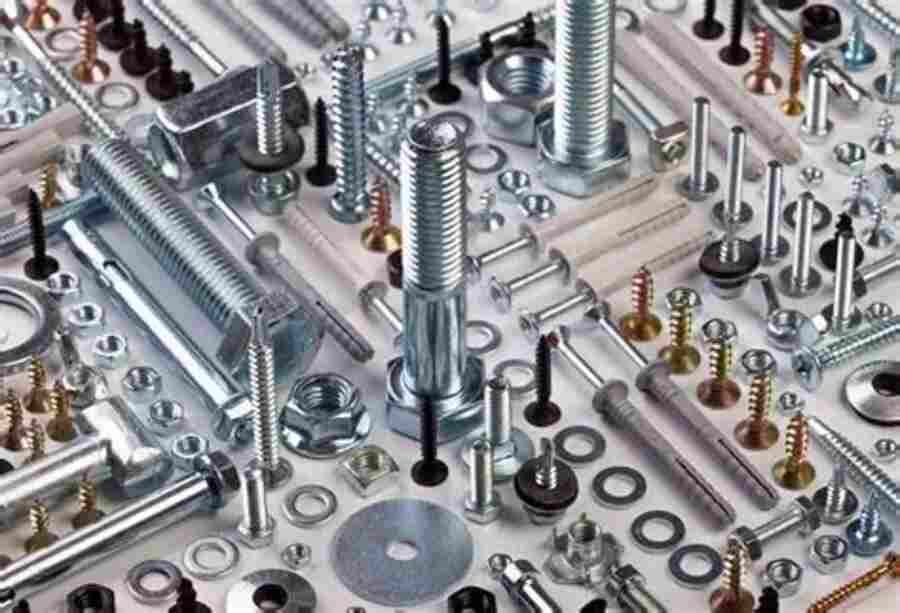
Mechanical fasteners often create stress concentrations, add unwanted weight, and can trigger galvanic corrosion when joining dissimilar metals. Welding, meanwhile, is not always feasible—especially when materials have vastly different melting points or heat sensitivities. These challenges have pushed engineers to explore bonding technologies that provide strength without compromising material integrity.
What Is Mixed-Material Bonding?
Mixed-material bonding refers to the use of structural adhesives, sometimes combined with mechanical fasteners, to join different materials into a single load-bearing structure. In BIW applications, these adhesives are typically epoxy- or polyurethane-based, formulated to deliver high shear strength, fatigue resistance, and long-term durability.
Unlike traditional fastening, bonding distributes loads more evenly across the joint area. This results in improved crash performance, reduced noise and vibration, and greater overall stiffness—critical factors in modern vehicle design.
Advantages Over Traditional Fastening Methods
One of the most compelling benefits of mixed-material bonding is weight reduction. Adhesives eliminate the need for numerous bolts, rivets, and weld flanges, allowing designers to optimize material usage. Even small reductions in vehicle weight can translate into significant gains in fuel efficiency or electric vehicle range.
Bonding also enhances structural performance. By spreading stresses across a wider surface, bonded joints improve fatigue life and crash energy absorption. In frontal or side-impact scenarios, adhesive-bonded BIW structures can better manage deformation, contributing to occupant safety.
Another key advantage is design freedom. Engineers are no longer constrained by the requirements of welding access or fastener placement. This opens the door to more aerodynamic shapes, thinner panels, and innovative multi-material architectures.
Hybrid Joining: Adhesives and Fasteners Working Together
Despite the strengths of adhesive bonding, many BIW designs adopt a hybrid joining approach, combining adhesives with spot welds, self-piercing rivets, or flow-drill screws. Mechanical fasteners provide immediate handling strength during assembly, while adhesives deliver long-term structural integrity.
This synergy is particularly valuable in high-volume automotive production, where cycle time and process reliability are critical. Hybrid joints ensure consistent quality while allowing manufacturers to transition gradually from traditional fastening to more advanced bonding strategies.
Manufacturing and Process Considerations
Implementing mixed-material bonding in BIW design requires careful attention to surface preparation, adhesive application, and curing processes. Contaminants such as oils or oxides can compromise bond strength, making cleaning and pretreatment essential steps.
Curing methods vary depending on the adhesive system. Some structural adhesives cure during the paint-bake process, integrating seamlessly into existing production lines. Others require room-temperature or accelerated curing, which may necessitate process adjustments.
Automation also plays a vital role. Robotic dispensing systems ensure precise adhesive placement and consistent bond thickness, supporting the tight tolerances demanded in BIW assembly.
Sustainability and Lifecycle Benefits
Beyond performance gains, mixed-material bonding contributes to sustainability goals. Lighter vehicles consume less energy over their lifetime, reducing carbon emissions. Advanced adhesives also enable the use of recycled or alternative materials, supporting circular economy initiatives.
End-of-life considerations are evolving as well. New adhesive formulations are being developed to facilitate disassembly and recycling, addressing one of the traditional criticisms of bonded structures.
The Road Ahead for BIW Fastening
As vehicle platforms become increasingly electrified and modular, the importance of mixed-material bonding will continue to grow. Battery electric vehicles, in particular, demand rigid yet lightweight BIW structures to protect battery packs while maximizing driving range.
Future developments are likely to focus on smart adhesives with embedded sensing capabilities, improved recyclability, and even self-healing properties. Combined with digital simulation tools, these innovations will allow engineers to predict joint behavior with unprecedented accuracy.
Conclusion
tokohasil.com: The future of fastening in automotive manufacturing is no longer defined solely by bolts and welds. Mixed-material bonding in Body-in-White design represents a strategic shift toward lighter, stronger, and more efficient vehicle structures. By enabling the reliable joining of diverse materials, adhesive bonding empowers manufacturers to meet the performance, safety, and sustainability demands of next-generation vehicles. As technology advances, mixed-material bonding will remain a cornerstone of innovative BIW engineering.