

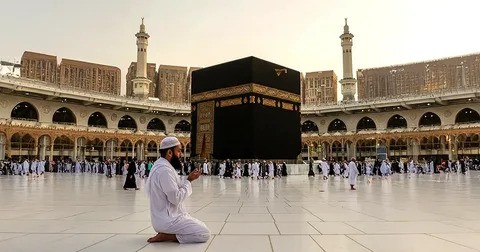
Umrah is a sacred Islamic pilgrimage to Makkah that holds deep spiritual meaning for Muslims around the world. Although it is not obligatory like Hajj, Umrah is highly recommended and can be performed at any time of the year. For many believers, it is a journey of faith, self-reflection, and closeness to Allah. This guide explains Umrah in a clear and practical way, covering its rituals, benefits, and the best time to perform it.
What Is Umrah?
Umrah is often referred to as the “lesser pilgrimage” and consists of a specific set of acts of worship performed in and around the Holy Mosque in Makkah. Unlike Hajj, Umrah does not have fixed dates, making it more flexible for pilgrims. Many people choose to travel through organised umrah packages, which simplify arrangements such as visas, accommodation, and transport, especially for first-time pilgrims.
The Core Rituals of Umrah
Entering the State of Ihram
The first step of Umrah is entering the state of Ihram, a sacred condition of purity and devotion. Pilgrims wear special clothing and make the intention (niyyah) to perform Umrah. Certain actions, such as cutting hair or using perfume, are restricted during this state to encourage humility and focus on worship.
Performing Tawaf
After entering Masjid al-Haram, pilgrims perform Tawaf by circling the Kaaba seven times in an anti-clockwise direction. This act symbolises unity, as millions of Muslims worship the One God together, regardless of nationality or background.
Sa’i Between Safa and Marwah
Sa’i involves walking seven times between the hills of Safa and Marwah. This ritual commemorates the struggle of Hazrat Hajar (AS) and reflects patience, trust in Allah, and perseverance during hardship.
Halq or Taqsir
The final ritual of Umrah is Halq (shaving the head) or Taqsir (shortening the hair). This signifies spiritual renewal and the completion of the pilgrimage.
Spiritual and Personal Benefits of Umrah
Strengthening Faith
One of the greatest benefits of Umrah is the strengthening of iman (faith). Being present in the holy cities, praying near the Kaaba, and following the footsteps of the Prophet (PBUH) deeply impacts the heart and soul.
Forgiveness and Inner Peace
Umrah offers an opportunity to seek forgiveness for past sins and start anew. Many pilgrims describe a sense of peace, clarity, and emotional healing after completing the rituals.
Unity and Humility
Umrah brings together Muslims from across the world, fostering a strong sense of unity and equality. Wearing Ihram removes distinctions of wealth and status, reminding pilgrims that all are equal before Allah.
Best Time to Perform Umrah
Umrah During Ramadan
Performing Umrah in the holy month of Ramadan carries immense spiritual reward. According to Hadith, Umrah in Ramadan holds the reward equivalent to Hajj (though it does not replace the obligation of Hajj). Due to high demand, many pilgrims opt for dedicated ramadan umrah packages, which help manage crowds and logistics during this busy period.
Off-Peak Seasons
For those seeking a calmer experience, travelling outside Ramadan and school holidays is often ideal. The months after Hajj typically see fewer crowds, allowing pilgrims to perform rituals with more ease and focus.
Planning Your Umrah Journey
Choosing a reliable travel partner is essential for a smooth pilgrimage. Trusted agencies such as Aqdas Travel offer structured services, guidance, and support, helping pilgrims focus fully on their spiritual journey rather than logistical concerns.
Final Thoughts
Umrah is a profound act of worship that offers spiritual growth, forgiveness, and a renewed connection with Allah. Whether performed in Ramadan or during quieter months, the experience leaves a lasting impact on every pilgrim. With proper preparation, sincere intention, and the right guidance, Umrah can become one of the most meaningful journeys of a lifetime.