

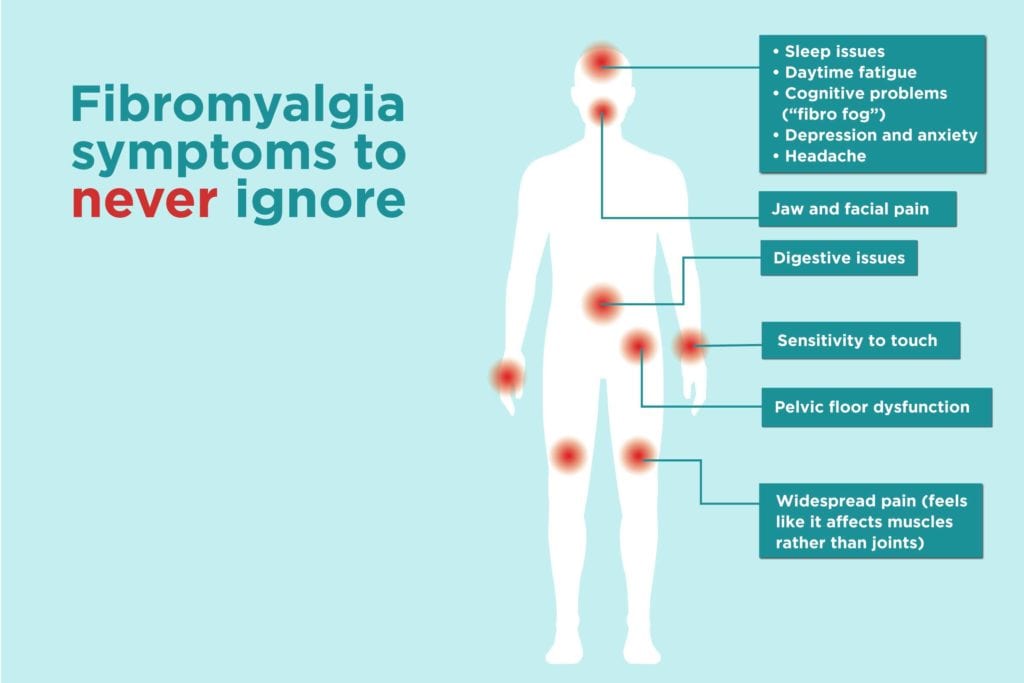
Fibromyalgia is a long-term, complex health condition characterized by widespread musculoskeletal pain, fatigue, and cognitive difficulties. Although it affects millions of people worldwide, it remains misunderstood and, in many cases, misdiagnosed. The invisible nature of its symptoms can make it challenging for both patients and healthcare providers to navigate, but with growing research and awareness, more effective management strategies are emerging.
What Is Fibromyalgia?
Fibromyalgia is classified as a chronic pain disorder. Unlike arthritis or other inflammatory conditions, it does not cause damage to joints, muscles, or other tissues. Instead, it affects how the brain and spinal cord process pain signals, amplifying the sensation of pain. This is why even mild pressure or minor injuries can result in significant discomfort for those affected.
The exact cause of fibromyalgia is unknown, but it is believed to involve a combination of genetic, environmental, and neurological factors. It often develops after physical trauma, surgery, infection, or intense psychological stress, although in some cases, symptoms appear gradually with no obvious trigger.
Key Symptoms
Fibromyalgia presents with a range of symptoms that can vary in intensity and duration. The most common include:
-
Widespread Pain
The hallmark symptom is persistent, diffuse pain that lasts for at least three months. It typically affects both sides of the body and is felt above and below the waist. -
Fatigue
People with fibromyalgia often wake feeling tired despite getting adequate sleep. Sleep disturbances, such as restless legs syndrome or sleep apnea, are common. -
Cognitive Difficulties (“Fibro Fog”)
This includes memory lapses, reduced concentration, and difficulty processing information. -
Heightened Sensitivity
Patients may experience hypersensitivity to light, noise, temperature changes, and touch. -
Other Associated Issues
These may include headaches, irritable bowel syndrome (IBS), bladder problems, depression, and anxiety.
Possible Causes and Risk Factors
Although there is no single identified cause, several factors may contribute to the development of fibromyalgia:
-
Genetics – A family history of fibromyalgia may increase susceptibility.
-
Nervous System Changes – Altered levels of neurotransmitters like serotonin, dopamine, and norepinephrine may influence pain perception.
-
Hormonal Imbalances – Stress-related hormones may be involved in triggering symptoms.
-
Trauma and Stress – Physical injuries or emotional stress can precede the onset of the condition.
-
Gender – Women are diagnosed more frequently than men, possibly due to hormonal influences.
Diagnosis
Diagnosing fibromyalgia can be challenging because there is no definitive lab test or imaging scan to confirm it. Instead, doctors rely on:
-
Symptom History – A detailed account of the type, location, and duration of pain.
-
Physical Examination – Checking for tender points and ruling out other conditions with similar symptoms.
-
Exclusion of Other Disorders – Blood tests may be done to rule out thyroid disorders, autoimmune diseases, and vitamin deficiencies.
In 2010, the American College of Rheumatology updated diagnostic criteria to focus less on tender point examination and more on the overall pattern and severity of symptoms.
Treatment and Management
There is no cure for fibromyalgia, but a combination of therapies can help manage symptoms and improve quality of life.
1. Medications
-
Pain Relievers – Over-the-counter options like acetaminophen or prescription medications.
-
Antidepressants – Duloxetine and milnacipran can help relieve pain and fatigue.
-
Anti-seizure Drugs – Pregabalin and gabapentin can reduce certain pain signals.
2. Lifestyle Modifications
-
Exercise – Low-impact activities such as swimming, walking, or yoga can help reduce pain and stiffness.
-
Balanced Diet – Nutrient-rich foods support energy levels and overall health.
-
Sleep Hygiene – Creating a consistent sleep routine can combat fatigue.
3. Therapies
-
Cognitive Behavioral Therapy (CBT) – Helps manage the emotional and mental impact of chronic pain.
-
Physical Therapy – Improves flexibility and reduces muscle tension.
-
Occupational Therapy – Teaches strategies to perform daily activities with less strain.
Living with Fibromyalgia
Coping with fibromyalgia requires a holistic approach. Support groups, whether in-person or online, provide a valuable outlet for sharing experiences and learning coping strategies. Stress management is equally crucial—techniques such as meditation, deep breathing exercises, and mindfulness can help reduce symptom flare-ups.
Importantly, patients should work closely with healthcare providers to develop a personalized management plan. Because symptoms can fluctuate, treatments may need to be adjusted over time.
The Importance of Awareness
Raising awareness about fibromyalgia is vital for early diagnosis and effective management. Misconceptions—such as the belief that it is “all in the head”—can delay treatment and contribute to the emotional burden on patients. The medical community’s growing recognition of fibromyalgia as a legitimate, physiological condition has been an important step forward.
Finalization
Fibromyalgia is a life-altering condition, but with the right blend of medical treatment, self-care, and emotional support, many people can lead fulfilling lives. While researchers continue to explore its underlying causes, a patient-centered approach—focused on symptom relief, mental well-being, and lifestyle adjustments—remains the most effective way to manage the disorder.