

Introduction
Surgical instruments are the backbone of modern medicine. From routine procedures to complex surgeries, the quality and precision of instruments can directly impact patient outcomes. In this article, you’ll learn about plastic surgical instruments, their advantages, key types, manufacturers, and how they compare to traditional stainless steel alternatives. Whether you’re a medical professional, hospital administrator, or medical student, this guide will provide valuable insights to make informed choices.
Understanding Surgical Instruments
What Are Surgical Instruments?
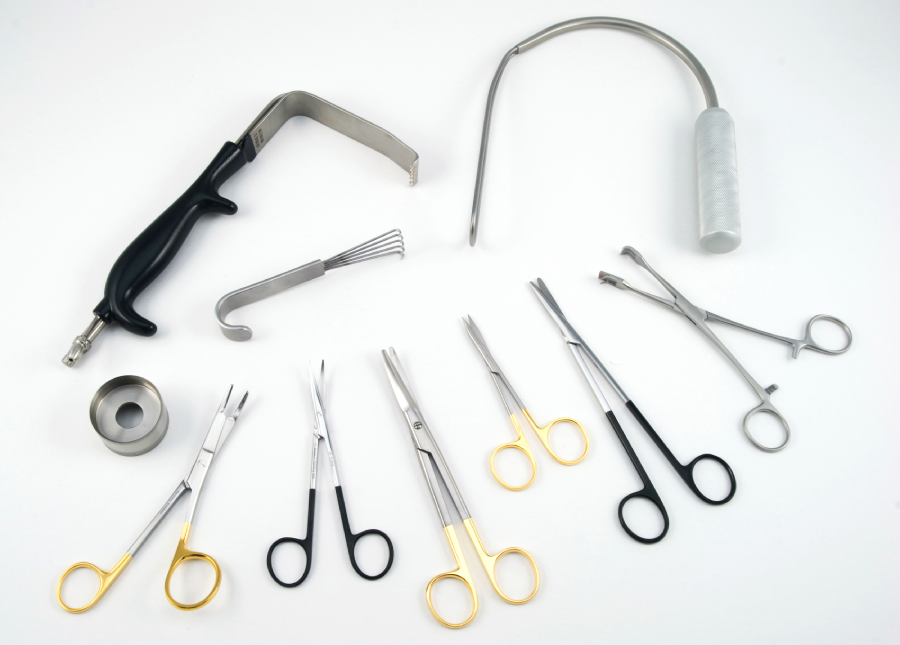
Surgical instruments are tools specifically designed to assist surgeons during operations. They include cutting, grasping, holding, retracting, and suturing devices, each serving a unique purpose during procedures.
Primary categories include:
- Cutting instruments – scalpels, scissors, bone saws
- Grasping instruments – forceps, clamps
- Retracting instruments – retractors, spreaders
- Suturing instruments – needle holders, ligature carriers
Plastic vs. Stainless Steel Surgical Instruments
While stainless steel has been the traditional choice for durability and reusability, plastic surgical instruments are increasingly popular for several reasons:
- Lightweight and disposable, reducing sterilization needs
- Cost-effective for single-use procedures
- Lower risk of cross-contamination in infection-prone environments
However, plastic instruments may not match the long-term durability of stainless steel surgical instruments, especially for heavy-duty operations.
Types of Plastic Surgical Instruments
1. Plastic Scalpels and Blades
Used for precision cutting, plastic scalpels are typically single-use and ideal for minor surgeries or lab procedures.
2. Plastic Forceps
Available in various sizes, plastic forceps provide a cost-effective alternative for holding delicate tissue without the risk of metal-induced reactions.
3. Plastic Retractors
Plastic retractors are lightweight and flexible, making them perfect for small incisions and outpatient surgeries.
4. Plastic Scissors
Designed for cutting sutures and delicate tissue, plastic scissors are easy to handle and reduce the risk of instrument fatigue.
Tip: Pairing plastic instruments with stainless steel tools in hybrid surgeries can optimize efficiency and safety.
Benefits of Using Plastic Surgical Instruments
- Reduced Risk of Infection – Disposable plastic instruments minimize cross-contamination.
- Cost Efficiency – Eliminates sterilization costs and long-term maintenance.
- Ease of Use – Lightweight design improves ergonomics for surgeons.
- Eco-friendly Options – Some manufacturers offer biodegradable plastic instruments.
Example: Hospitals in low-resource settings often prefer plastic surgical instruments due to affordability and reduced sterilization infrastructure.
Leading Surgical Instruments Manufacturers
When sourcing instruments, reliability and compliance with medical standards are crucial. Top manufacturers often supply general surgery instruments, stainless steel surgical instruments, and plastic alternatives.
- Medline Industries – Trusted supplier of disposable and reusable surgical tools.
- Aesculap – Offers premium stainless steel and hybrid instruments.
- Surgical Instruments Manufacturer Directory – Features global suppliers and OEM options.
Pro Tip: Always check for ISO certifications and FDA approval when sourcing surgical instruments.
Plastic Surgical Instruments in General Surgery
Plastic instruments are widely used in:
- Minor outpatient surgeries
- Dermatology and plastic surgery procedures
- Endoscopic operations where lightweight instruments improve maneuverability
Case Study: Minor Outpatient Procedures
A 2022 study in the Journal of Surgical Practice found that hospitals using plastic surgical instruments for minor procedures reduced infection rates by 18% and saved up to 25% on instrument sterilization costs.
Pros & Cons of Plastic Surgical Instruments
|
Pros |
Cons |
|
Lightweight and easy to handle |
Less durable than stainless steel |
|
Cost-effective |
Limited for heavy-duty surgeries |
|
Reduces infection risk |
Not suitable for high-pressure applications |
|
Disposable, reducing sterilization |
Environmental impact if not biodegradable |
FAQs About Plastic Surgical Instruments
Q1: Are plastic surgical instruments safe for all surgeries?
A1: Plastic instruments are generally safe for minor procedures, outpatient surgeries, and cases where single-use is preferred. For major surgeries, stainless steel remains the gold standard.
Q2: Can plastic surgical instruments be sterilized and reused?
A2: Some high-quality plastics can withstand sterilization, but most are designed for single use to minimize contamination risks.
Q3: How to choose the right surgical instruments manufacturer?
A3: Look for ISO certification, FDA approval, client reviews, and the availability of both plastic and stainless steel options to meet diverse surgical needs.
Q4: What is the price difference between plastic and stainless steel surgical instruments?
A4: Plastic instruments are usually 30–50% cheaper upfront but are single-use. Stainless steel instruments have a higher initial cost but can last for years with proper sterilization.
Best Practices for Using Plastic Surgical Instruments
- Inspect instruments for defects before use.
- Store in a clean, dry environment to prevent degradation.
- Dispose of properly following hospital biohazard protocols.
- Consider hybrid instrument kits to balance cost and performance.
Conclusion
Plastic surgical instruments are transforming the medical field by offering lightweight, cost-effective, and infection-resistant alternatives for minor surgeries. While they don’t entirely replace stainless steel surgical instruments, their strategic use can improve efficiency, safety, and patient outcomes.
Call to Action: Share your experiences with plastic surgical instruments in the comments below, or explore trusted manufacturers to find the right tools for your practice.