

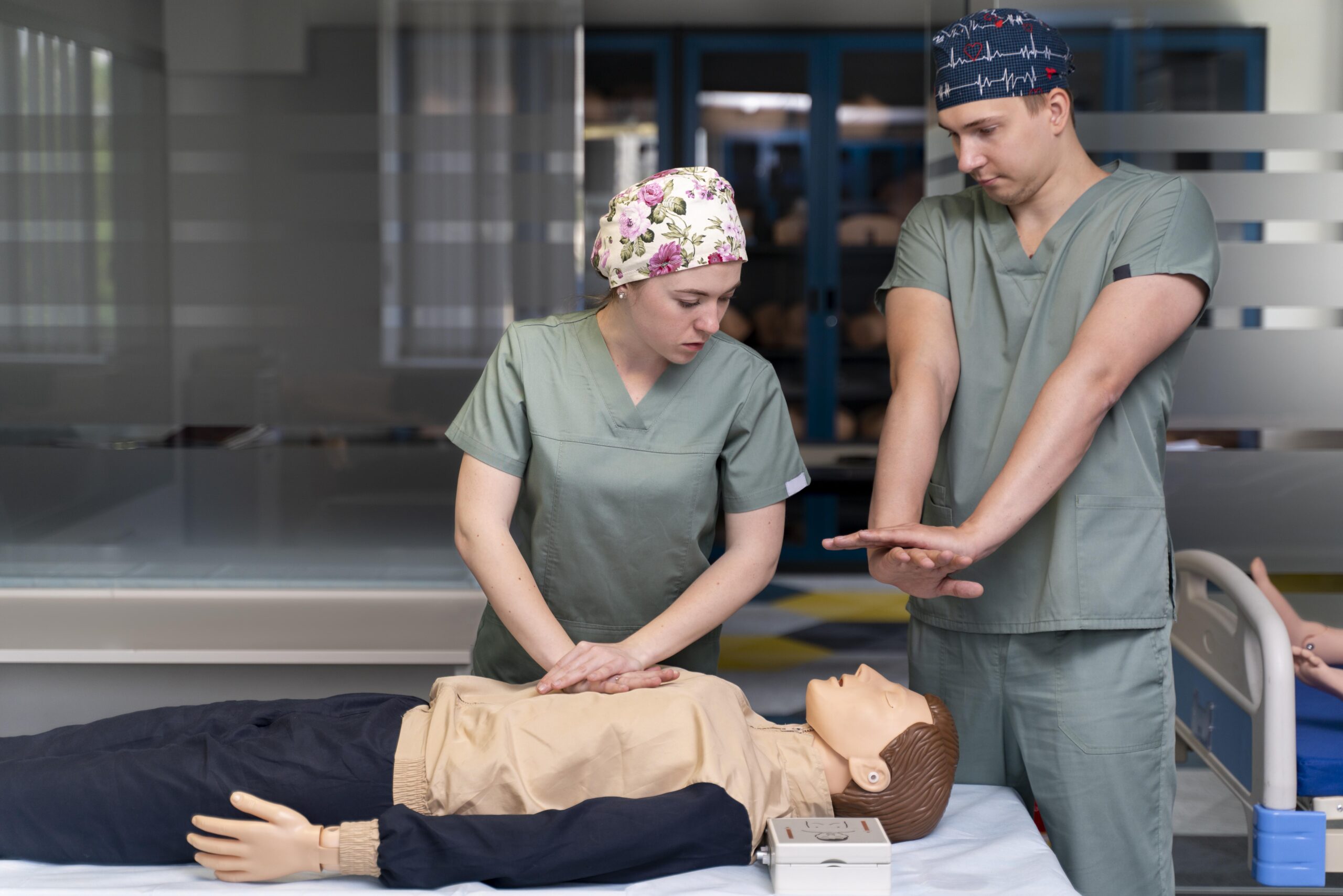
When caring for children, emergencies can happen in the blink of an eye. Knowing how to respond effectively is not just important—it’s essential. An Emergency Childcare First Aid Course prepares caregivers, educators, and parents to handle accidents, injuries, and sudden illnesses confidently. Beyond learning practical techniques, this training instills peace of mind, ensuring that children are in safe, capable hands.
The Importance of Childcare First Aid
Children are naturally curious and often unaware of risks. From playground falls to choking hazards, caregivers must be ready to act swiftly. First aid training helps you:
-
Recognise early signs of illness or injury
-
Respond quickly to critical situations
-
Reduce the severity of incidents
-
Comply with legal and regulatory childcare standards
Being trained not only protects children but also enhances professional credibility and family trust.
Key Skills Taught in the Course
A well-designed course combines theoretical knowledge with hands-on experience, covering a variety of essential skills.
1. Child-Focused First Aid Techniques
Children have unique physiological differences compared to adults. The course covers:
-
Assessing consciousness and breathing
-
Recognising distress signals in infants, toddlers, and young children
-
Making rapid decisions on when to escalate care
2. Choking and Airway Management
Choking is a leading cause of emergencies in childcare. Participants learn:
-
Safe methods to clear blockages
-
Techniques suitable for different age groups
-
Remaining calm while providing urgent care
3. CPR and Life-Saving Interventions
CPR training for children and infants is central to any emergency course. You’ll gain proficiency in:
-
Performing age-appropriate chest compressions
-
Rescue breathing techniques
-
AED usage and safety
4. Handling Common Injuries
Children frequently experience minor injuries. Training focuses on:
-
Evaluating injury severity
-
Applying dressings and bandages
-
Managing cuts, bruises, sprains, and burns
5. Allergic Reactions and Anaphylaxis
Sudden allergic reactions can be life-threatening. The course covers:
-
Identifying early symptoms
-
Administering emergency medication such as EpiPens
-
Emergency planning for children with known allergies
6. Emergency Preparedness and Communication
Successful outcomes often depend on preparation. You’ll learn:
-
How to create effective emergency response plans
-
Proper communication with staff, children, and families
-
Documentation practices for follow-up and accountability
Organisations like Growth Training Group offer specialised programs that integrate practical scenarios to ensure learners are fully prepared.
Choosing the Right Course
Not all first aid courses are equal. Look for:
-
Accredited providers meeting national childcare standards
-
Hands-on practical training for real-life confidence
-
Instructors with childcare expertise
-
Opportunities for refresher courses to maintain skills
Selecting the right program ensures you gain knowledge that is both practical and legally recognised.
Benefits Beyond Emergencies
First aid skills extend beyond crisis situations. Benefits include:
-
Fostering a culture of safety in childcare settings
-
Building caregiver confidence and composure
-
Reducing the likelihood of severe outcomes
-
Enhancing trust among parents and colleagues
Regular training helps maintain vigilance, improving overall child wellbeing.
Real-World Impact
Imagine a child suddenly choking during a group activity. A trained caregiver quickly administers airway management while calling for help. Or a toddler experiences a severe allergic reaction, and the caregiver responds immediately, preventing escalation. These scenarios illustrate how first aid training transforms preparedness into action, potentially saving lives.
Conclusion
Completing an Emergency Childcare First Aid Course is more than a professional requirement—it is an investment in child safety and caregiver confidence. From handling minor injuries to responding to critical emergencies, the skills acquired provide reassurance and competence in any childcare environment. Prioritising first aid training ensures children are protected, caregivers are prepared, and families feel secure. Take the step today to equip yourself with life-saving knowledge and create a safer, more confident childcare experience.