

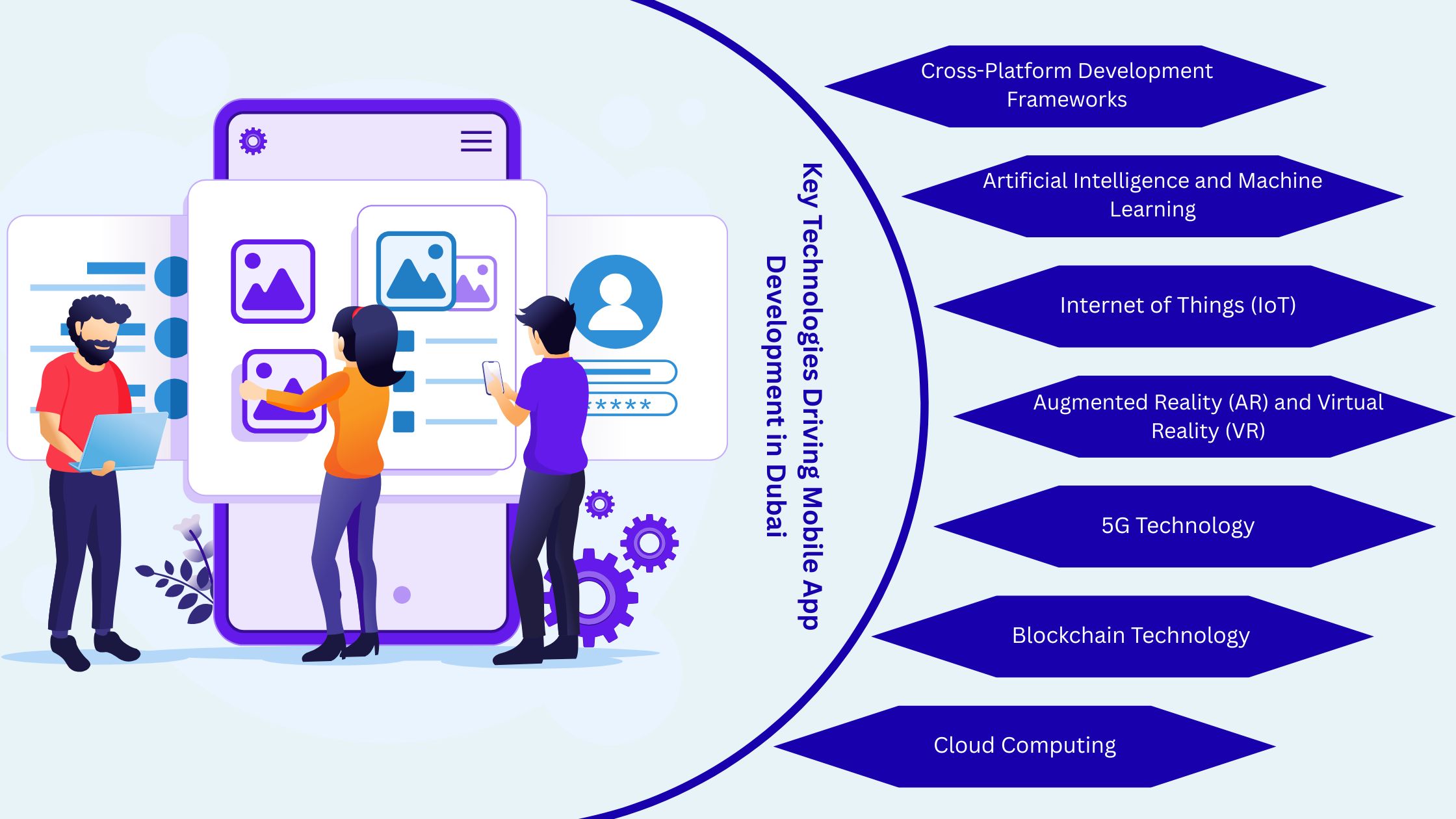
Dubai has rapidly transformed into a hub for technology and innovation. The city’s vibrant business ecosystem, government support, and international connectivity make it a prime location for mobile app development. As companies and startups strive to create apps that stand out, a set of key technologies plays a critical role in shaping the mobile app landscape here.
This article breaks down the most influential technologies driving the mobile application development company in Dubai. Whether you’re a developer, business owner, or tech enthusiast, knowing these technologies helps you navigate the market and make informed decisions.
The Growing Mobile App Market in Dubai
Dubai’s mobile app market is thriving thanks to a tech-savvy population and strong demand for digital solutions. Businesses across industries like retail, healthcare, finance, and hospitality rely on mobile apps to engage customers, improve efficiency, and boost sales.
The UAE boasts one of the highest smartphone penetration rates globally, and Dubai leads the charge in adopting new technologies. As a result, mobile app development companies here integrate cutting-edge tools and frameworks to build apps that meet high user expectations.
Core Technologies Shaping Mobile App Development in Dubai
Dubai’s app developers leverage various technologies that impact app functionality, user experience, and scalability. Here are the core technologies that stand out:
1. Cross-Platform Development Frameworks
What Are Cross-Platform Frameworks?
Cross-platform frameworks allow developers to build a single app that works on both Android and iOS platforms. This approach reduces development time and cost, enabling faster market launches.
Popular Frameworks in Dubai
- Flutter: Google’s UI toolkit has gained significant traction in Dubai. It enables developers to create visually appealing and high-performance apps with a single codebase. Flutter’s hot-reload feature accelerates testing and debugging.
- React Native: Backed by Facebook, React Native remains popular due to its efficiency and vast developer community. Many Dubai-based companies use it to build apps that feel native but share most code across platforms.
- Xamarin: Though less common than Flutter and React Native, Xamarin offers full access to native APIs and performance, especially favored for enterprise-grade apps.
Why Dubai Chooses Cross-Platform
Businesses in Dubai prefer cross-platform development because it cuts down expenses and helps them reach a broader audience quickly. Many startups and SMEs with limited budgets benefit greatly from this technology.
2. Artificial Intelligence and Machine Learning
AI and ML in Mobile Apps
Artificial intelligence (AI) and machine learning (ML) are revolutionizing mobile apps by enabling smarter features. These technologies allow apps to learn from user behavior, automate tasks, and provide personalized experiences.
Applications in Dubai
- Chatbots and Virtual Assistants: Dubai’s service industries, including hospitality and banking, use AI-powered chatbots to offer 24/7 customer support.
- Predictive Analytics: Retail apps use ML algorithms to analyze shopping trends and recommend products, boosting sales and customer retention.
- Image and Speech Recognition: AI-driven recognition technologies enhance security and usability. For example, face recognition for app login or voice commands in smart home applications.
Dubai’s investment in AI aligns with its vision to become a leader in smart city initiatives. Developers integrate AI into apps to support this goal and provide competitive advantages.
3. Internet of Things (IoT)
What is IoT?
The Internet of Things connects everyday devices to the internet, enabling data exchange and remote control. IoT integration with mobile apps creates new opportunities in automation and monitoring.
IoT Usage in Dubai’s Mobile Apps
- Smart Homes: Mobile apps control lighting, temperature, and security systems remotely, making homes safer and more convenient.
- Healthcare Monitoring: Wearable devices connected to apps help track patients’ vital signs in real time, supporting Dubai’s growing telemedicine sector.
- Transportation and Logistics: IoT apps monitor vehicle fleets and optimize delivery routes, improving efficiency for Dubai’s booming logistics industry.
Dubai’s government supports IoT through initiatives like the Dubai IoT Strategy, encouraging developers to build apps that harness IoT capabilities.
4. Augmented Reality (AR) and Virtual Reality (VR)
AR and VR Explained
Augmented reality overlays digital content onto the real world, while virtual reality immerses users in a fully digital environment. Both technologies offer unique ways to engage users.
AR/VR Applications in Dubai
- Real Estate: AR apps allow potential buyers to visualize properties with virtual tours, enhancing the sales process.
- Retail: Retailers use AR to let customers try products virtually, increasing confidence and reducing returns.
- Tourism: VR experiences promote Dubai’s attractions, giving virtual previews that encourage actual visits.
Dubai’s focus on tourism and luxury sectors drives demand for AR and VR apps, making these technologies essential tools for local developers.
5. 5G Technology
Impact of 5G on Mobile Apps
5G networks offer faster speeds and lower latency than previous generations. This technology expands what mobile apps can do, especially in data-heavy and real-time applications.
How Dubai Leverages 5G
Dubai rolled out 5G infrastructure early, enabling apps that require high bandwidth and minimal delay, such as:
- Live streaming and video conferencing apps.
- Real-time gaming apps with multiplayer features.
- Connected vehicle apps that communicate instantly with traffic systems.
5G accelerates innovation and pushes developers to create more sophisticated apps that deliver seamless user experiences.
6. Blockchain Technology
Blockchain Beyond Cryptocurrency
Blockchain provides secure, transparent, and tamper-proof data storage. Its applications extend beyond cryptocurrencies to mobile app security, payments, and identity management.
Blockchain in Dubai’s Apps
- Financial Services: Dubai’s fintech companies use blockchain to enhance mobile payment security and enable faster transactions.
- Supply Chain Transparency: Apps track product authenticity and movement, combating counterfeiting in luxury goods markets.
- Digital Identity: Blockchain-based identity verification in apps increases trust and reduces fraud.
Dubai’s smart city initiatives include blockchain as a key pillar, encouraging developers to integrate it into mobile solutions.
7. Cloud Computing
Role of Cloud in Mobile Apps
Cloud computing provides on-demand server resources, enabling apps to handle large amounts of data and users without investing heavily in infrastructure.
Cloud Usage in Dubai
Developers in Dubai commonly use cloud services like AWS, Microsoft Azure, and Google Cloud to:
- Store app data securely and efficiently.
- Support scalable app architectures.
- Enable real-time collaboration and updates.
Cloud computing lets companies launch apps faster, scale easily, and maintain performance even during traffic spikes.
8. Progressive Web Apps (PWA)
What Are PWAs?
Progressive web apps combine features of websites and native apps. They work on any device with a browser and can function offline or with poor connectivity.
PWA Benefits for Dubai
PWAs suit Dubai’s fast-paced business environment, allowing companies to reach users quickly without requiring app store downloads. They offer:
- Faster load times.
- Lower development and maintenance costs.
- Easy updates without app store approval.
Many Dubai startups use PWAs to test markets before investing in full native app development.
How These Technologies Shape User Expectations in Dubai
Dubai’s consumers expect mobile apps to be fast, reliable, secure, and feature-rich. The use of advanced technologies has raised the bar for what a mobile app should deliver.
Developers respond by:
- Building apps with smooth animations and intuitive navigation using Flutter or React Native.
- Adding AI to personalize content and speed up user tasks.
- Integrating IoT to connect apps with smart devices.
- Leveraging 5G for apps that require real-time data processing.
- Using blockchain to protect user data and transactions.
Challenges Facing Mobile App Developers in Dubai
Despite Dubai’s strong tech ecosystem, developers face challenges such as:
- Keeping up with fast-changing tech: New tools and frameworks emerge frequently, requiring continuous learning.
- Data privacy regulations: Apps must comply with local laws on user data protection, adding complexity to development.
- Market competition: Many companies compete for user attention, raising pressure to deliver unique and high-quality apps.
- Balancing cost and quality: Businesses want advanced features but also need to control budgets.
Successful developers adapt by staying updated, following best practices, and communicating clearly with clients.
Future Outlook: What’s Next for Mobile App Development in Dubai?
The future looks promising as Dubai continues investing in technology infrastructure and digital transformation. Upcoming trends include:
- AI-powered automation: More apps will automate complex tasks, saving users time.
- Increased IoT integration: Smart city projects will expand app connectivity to physical infrastructure.
- Greater use of AR/VR: These technologies will find new applications beyond entertainment, like training and education.
- Wider adoption of blockchain: Security and transparency will drive blockchain into more app categories.
Dubai’s mobile app market will keep evolving as developers adopt new technologies to meet changing user needs.
Conclusion
Dubai stands out as a dynamic hub for outsource mobile app development, powered by a blend of advanced technologies. Cross-platform frameworks, AI, IoT, AR/VR, 5G, blockchain, cloud computing, and PWAs each play a vital role in shaping the apps of today and tomorrow.
Developers and businesses that leverage these technologies will create apps that appeal to Dubai’s tech-savvy users and meet the city’s ambitious vision. Staying current with these tools helps ensure app projects succeed in Dubai’s competitive and fast-moving market.