

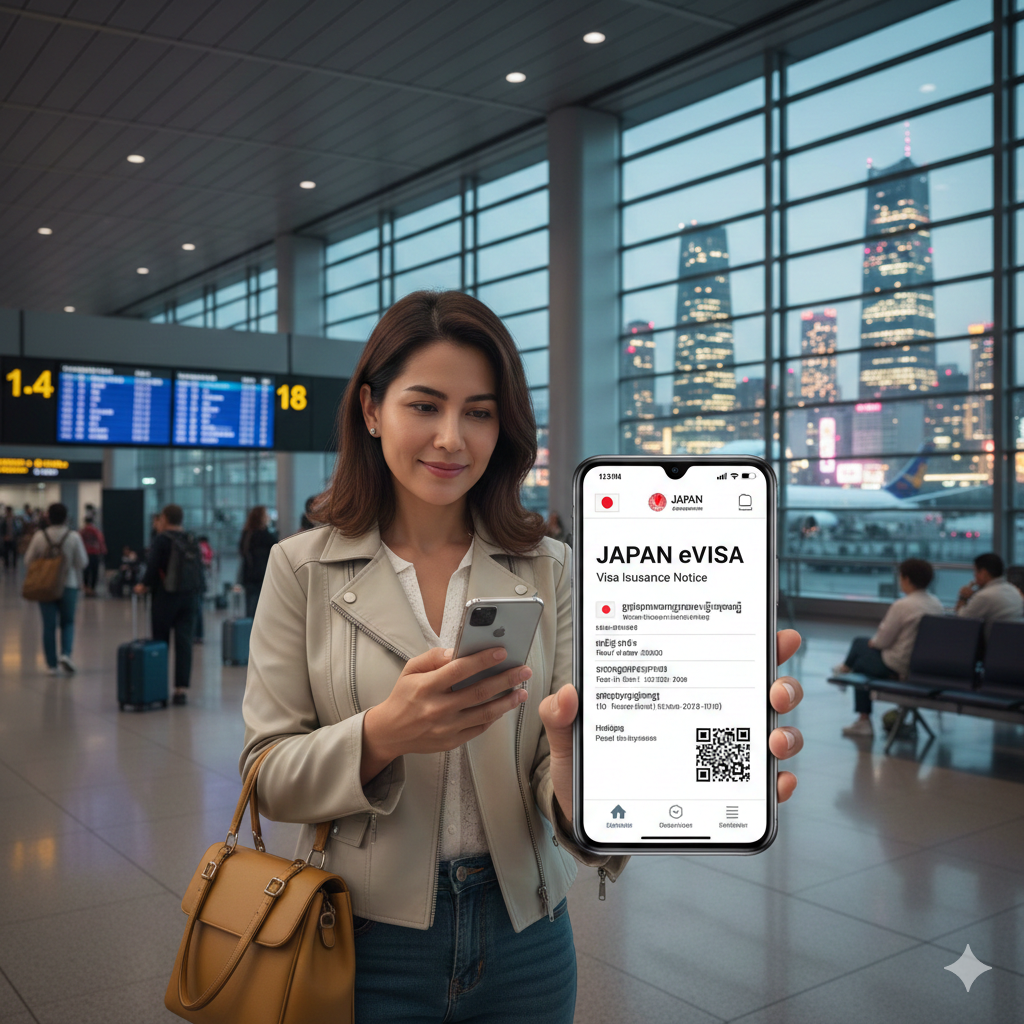
Traveling to Japan has become easier than ever for Cambodian citizens, thanks to the Japan eVisa system. Whether you are planning a short vacation, a business trip, or visiting friends and family, this guide will walk you through everything you need to know about obtaining a Japan eVisa from Cambodia citizens. From eligibility requirements to application tips, we have got you covered.
What are the different types of Japan eVisa for Cambodian citizens?
Travelers who intend to spend a short time in Japan need a Tourism eVisa. The visa only allows one entry into Japan and is valid for 90 days. The visa facilitates travelers to enjoy sightseeing, visit friends and family, and participate in various leisure activities. The travelers have to exit Japan before their visa expires and comply with the 90 day limit stated on their visa.
How many days does Japan eVISA processing take for Cambodian Citizens?
Japan eVisa applicants should choose the level of processing speed that best meets their travel requirements. Usually, the processing time does not include weekends or holidays; only working days are counted.
- Normal Processing (26-32 Working Days): It is the basic option for those tourists who submit an application in good time and do not require quick approval.
- Rush Processing (20-26 Working Days): It is a quicker option than normal and is perfect for those who have their travel dates coming up.
- Super Rush Processing (14-20 Working Days): It is the fastest option for applicants who want their Japan eVisa approved at the earliest time possible.
Picking the appropriate processing type could give you a greater chance of getting your visa to you in time for your scheduled trip.
What documents are required to visit Japan?
Party with these important documents before your eVisa application to make it run smoothly:
- Passport Bio Page: It is necessary to submit a clearly scanned copy of your passport’s bio, data page without any blurriness.
- Applicant Photo: Please submit a recent (not older than 6 months) passport, size photo with a white background.
- Flight Itinerary: Please provide the complete flight itinerary that includes your full name, dates of travel, and flight numbers.
- Proof of Immigration Status: Please submit a copy of your valid visa or permanent residence card (front & back).
- Bank Statements: Please provide your name and address along with your last 3 months consecutive bank statements.
- Detailed Schedule of Stay: Please submit a daily plan with accommodation, phone number, and addresses.
- Proof of Residential Address: Please submit a document reflecting your current address (ID, utility bill, or lease).
- Marriage or Birth Certificate: If not in English, please provide a certificate with a notarized English translation.
Can tourists get healthcare in Japan?
Yes, tourists can receive medical treatment in Japan during their visit.
- Japan has modern hospitals, clinics, and pharmacies in most cities.
- Foreign travelers may need to pay high costs if they don’t have travel insurance.
- Many major hospitals provide support for international patients, including English services.
- It is strongly recommended to carry travel insurance for emergency healthcare coverage.
How much is the eVISA fee for Japan?
When applying for a Japan eVisa Fee, applicants need to pay a processing fee. This fee is an essential part of the application and ensures that your request is officially considered. Here’s what you should know:
- Mandatory Payment: The eVisa application cannot be submitted without paying the fee.
- Varies by Visa Type: The amount depends on the type of visa and the length of stay.
- Online Payment: Payments are made securely online during the application process.
- Non-Refundable: Once paid, the fee is non-refundable, even if your application is rejected.
- Avoid Delays: Ensure the payment is completed correctly to prevent processing delays.
Can I leave Japan airport during transit?
If you have a long layover in Japan, you may be able to leave the airport depending on your visa and entry rules.
- Yes, you can leave the airport during transit if you are allowed to enter Japan.
- You must pass immigration and meet the required visa conditions.
- Some nationalities may need a transit visa for short visits outside the airport.
- Long layovers can give you time to explore nearby areas.
- Always return early to avoid missing your connecting flight.
Which is better, e-Visa or Visa on Arrival?
Many travelers wonder whether an e-Visa or a visa on arrival is the better option. Both allow entry, but they differ in convenience, approval process, and travel ease.
- e-Visa is better because it is applied for online before your trip.
- Visa on Arrival is issued after landing, which may cause delays at the airport.
- e-Visa gives confirmed approval in advance, reducing travel stress.
- Visa on Arrival can be uncertain, as final entry depends on immigration officers.
- e-Visa saves time and effort, making the arrival process smoother.
- Visa on Arrival suits last-minute travelers, but only if eligible.
How do I change the airport from Haneda to Narita?
If your flight itinerary requires switching between Haneda Airport (HND) and Narita Airport (NRT), it is important to plan ahead because both airports are far apart and travel takes time.
- You can travel between Haneda and Narita by airport limousine bus, which is direct and convenient.
- The train option includes using the Tokyo Monorail or Keikyu Line plus Narita Express or Skyliner.
- A taxi or private transfer is available but is usually more expensive.
- The transfer usually takes around 1.5 to 2.5 hours, depending on traffic and transport.
- Always allow extra time for immigration, baggage collection, and check-in at the next airport.
- Check your flight schedule carefully to avoid missing your connection.
What’s the best ride app in Japan?
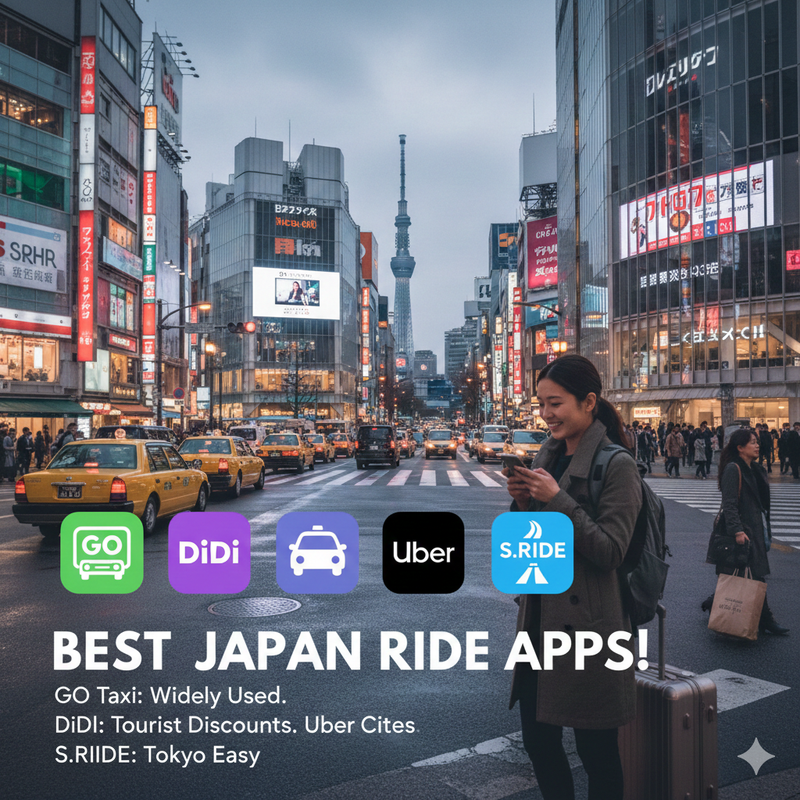
If you need an easy way to book taxis or rides in Japan, using a reliable ride app can make traveling much more comfortable, especially for tourists.
- GO Taxi is the most widely used ride app in Japan for booking taxis easily.
- DiDi is tourist-friendly and often provides discounts in major cities.
- Uber Japan works in big areas and usually connects you with local taxi services.
- S.RIDE is a simple option mainly available in Tokyo.
- These apps are helpful for airport rides, late-night travel, and convenient transport.
Which SIM card to use in Japan?
Tourists in Japan can choose between a physical SIM card or an eSIM for mobile data.
- Popular tourist SIM cards provide extensive network coverage throughout Tokyo, Osaka, and Kyoto.
- The most common option for short-term travelers consists of data-only SIM cards.
- The eSIM provides greater convenience because users can activate it without the need to switch their SIMs.
- The best method to select a SIM requires you to consider your stay duration and budget and phone compatibility.
What is special in Japan to buy?
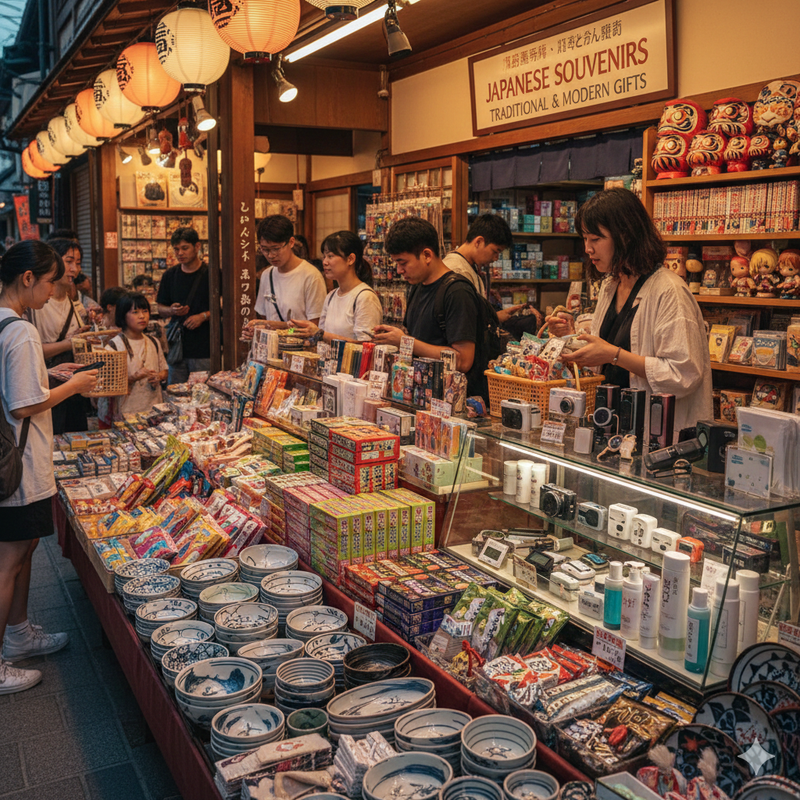
Japan is famous for unique souvenirs like traditional crafts, kimono items, and Japanese ceramics.
- Popular snacks such as matcha sweets, KitKat flavors, and local candies are great to bring home.
- Electronics and gadgets in Japan are known for high quality and advanced technology.
- Skincare and beauty products from Japan are very popular among tourists worldwide.
- Anime, manga, and cultural gifts make shopping in Japan a special experience.
Conclusion
The Japan eVisa application process serves as a straightforward method for Cambodian citizens to enter Japan without needing to visit an embassy. The Japan eVisa system provides online applications together with specific document requirements which enable quicker processing to assist users in their travel planning.