

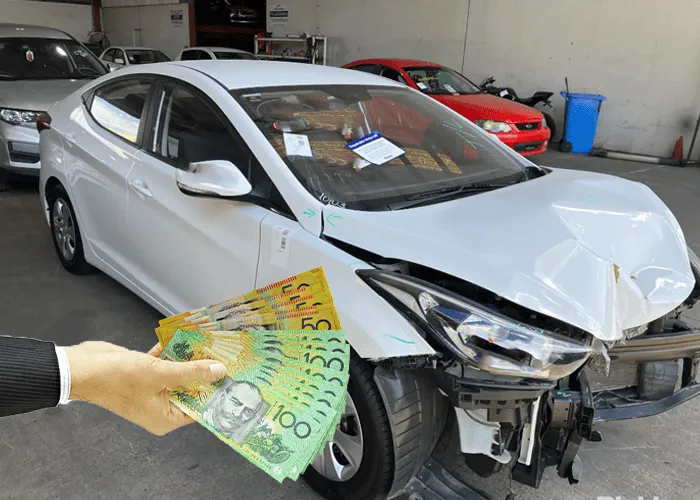
When your car stops working, the first thought that often comes to mind is whether it still has any value. The truth is a broken car can still earn you money in several ways. From selling it to parts dealers to using car removal services, there are options available that put cash back in your pocket instead of leaving your car unused in the driveway.
Can you sell a broken car for cash?
A broken car can be sold for cash through scrap yards, car removal services, or private buyers who are interested in parts. Even if your vehicle does not run, its parts and metal still carry value. For example, engines, transmissions, catalytic converters, and even tyres can fetch a good price depending on condition.
What are the most valuable parts of a broken car?
The most valuable parts of a broken car include the engine, gearbox, catalytic converter, radiator, tyres, and battery. These components often retain usability even if the car itself is no longer roadworthy. For instance, catalytic converters contain precious metals like platinum and palladium, which are highly sought after in recycling markets.
Table: Common car parts and their resale value in Australia
| Car Part | Average Value Range (AUD) | Example of Use in Market |
|---|---|---|
| Catalytic Converter | $250 – $900 | Extracted for precious metals |
| Engine | $500 – $2,000 | Resold or reconditioned |
| Gearbox/Transmission | $300 – $1,500 | Used in vehicle repairs |
| Tyres (set of 4) | $100 – $400 | Sold second-hand |
| Battery | $50 – $150 | Recycled or reused |
How do scrap yards evaluate a broken car?
Scrap yards in Australia evaluate broken cars based on weight, metal content, and condition of parts. The heavier the vehicle, the higher its scrap value because steel and aluminium are priced per tonne. According to scrap metal pricing in Victoria, steel generally trades between $200–$350 per tonne, which directly influences car valuations.
Why use a cash for cars service instead of private selling?
Using a cash for cars service is faster and more convenient compared to finding private buyers. Private sales can take weeks and involve negotiations, while professional car buyers offer same-day quotes and free vehicle collection. This saves time and ensures you receive instant payment without extra costs like towing fees.
At this stage, it’s worth mentioning Best Cash for Cars Melbourne, a trusted car removal company in Victoria. They specialise in buying broken and unwanted vehicles directly from owners, offering free pickup and competitive cash payouts. Their process is simple, transparent, and designed to give car owners peace of mind when disposing of non-working vehicles.
Find out more here: https://www.bestcashforcarz.com.au/
How much money can you expect from a broken car?
The money you can receive depends on your car’s make, model, age, and condition. On average, broken cars in Melbourne fetch between $300 and $7,000 depending on parts and metal content. Luxury models or larger vehicles like SUVs often bring higher returns because of their size and valuable components.
Steps to get money from your broken car
To get money from your broken car, follow these steps:
-
Assess the condition – Check which parts are still usable.
-
Get quotes – Contact multiple car buyers or removal services to compare offers.
-
Arrange pickup – Most professional buyers in Melbourne provide free towing.
-
Complete paperwork – Hand over registration documents and ensure ownership is transferred.
-
Receive payment – Payment is usually made on the spot in cash or via bank transfer.
What documents are required to sell a broken car?
To sell a broken car in Australia, you generally need proof of identity, the car’s registration certificate (if available), and signed transfer papers. If the car is unregistered, most cash for cars services still accept it as long as ownership is proven.
Environmental benefits of recycling a broken car
Recycling a broken car prevents hazardous materials like battery acid, oil, and coolant from entering the environment. According to the Australian Bureau of Statistics (ABS), recycling and reuse processes reduce landfill waste and recover over 90% of a vehicle’s steel. This makes selling to professional recyclers both financially and environmentally responsible.
Alternatives if you don’t want to sell
If selling does not appeal to you, donating the car to charity or repurposing it for spare parts at home are alternatives. However, these options usually don’t provide immediate financial returns compared to cash for cars services.
Conclusion
Broken cars may seem worthless, but they still hold value in parts and scrap metal. By contacting professional buyers or car removal services, you can turn an unwanted vehicle into instant cash while supporting recycling efforts in Australia. Whether you own a damaged sedan, a non-running ute, or an accident-wrecked SUV, there are simple ways to monetise it without hassle.