

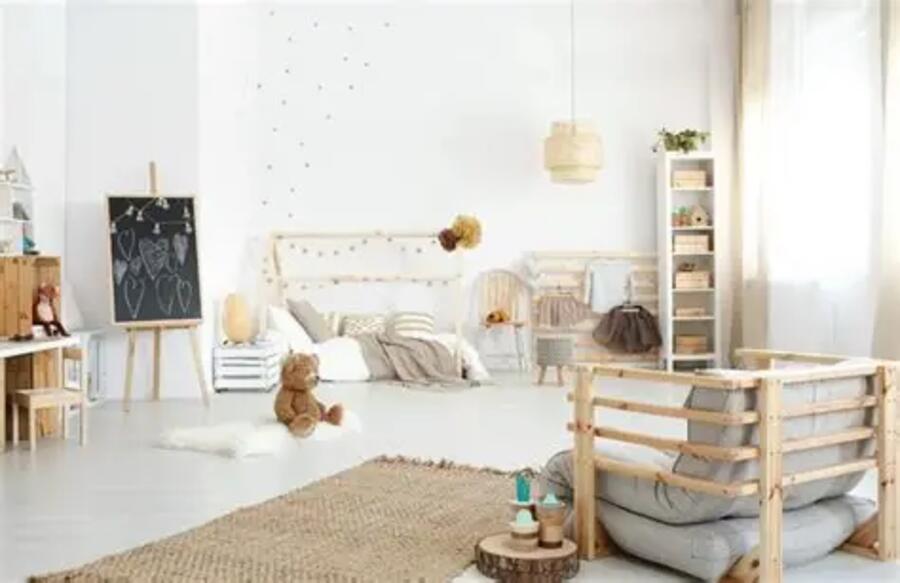
A well-designed kids’ bedroom does more than look good—it plays a critical role in promoting healthy sleep, emotional well-being, and daily focus. In our busy modern lives, it’s crucial to design a soothing and peaceful environment for kids. From color choices to lighting solutions, thoughtful design can transform a room into a sleep-friendly retreat.
1. Start with a Soothing Color Palette
Color is one of the most powerful tools in shaping the mood of a kids’ bedroom. Soft, muted shades—such as pale blues, warm creams, and gentle greens—tend to have a calming effect. Avoid overly vibrant or high-contrast combinations in the sleeping zone, as they can stimulate the senses and make it harder for children to wind down.
If you’re using accent walls or decorative murals, keep them visually balanced. A gentle design or nature-themed accent can bring character without overpowering the room.
2. Prioritize Ergonomic and Safe Furniture
Kids’ bedrooms need furniture that’s functional, safe, and proportioned to their size. Rounded edges, stable frames, and non-toxic finishes are must-haves. Multi-functional pieces—such as storage beds or modular shelving—help maintain order and free up floor space, which contributes to a more peaceful atmosphere.
Our range of children’s furniture is designed with safety certifications and durability in mind, ensuring it stands up to years of daily use while supporting good posture and comfort.
3. Manage Light for Better Sleep Cycles
Lighting strongly influences the body’s circadian rhythm. During the day, maximize natural light with sheer curtains or adjustable blinds. In the evening, use warm, low-intensity lighting to signal that it’s time to relax.
Blackout curtains or shades are especially helpful for blocking early morning light, allowing children to sleep longer. Layered lighting—combining overhead fixtures, task lamps, and soft nightlights—offers flexibility for reading, play, and rest.
4. Invest in Quality Bedding and Mattresses
A supportive mattress and breathable bedding are essential for healthy, restful sleep. Choose a mattress appropriate for your child’s age and growth stage—firm enough for spinal alignment yet comfortable for their body weight.
Opt for hypoallergenic materials, especially if allergies are a concern. Organic cotton sheets, moisture-wicking fabrics, and temperature-regulating duvets help prevent overheating, which can disrupt sleep.
5. Reduce Noise and Distractions
Soundproofing isn’t always possible, but you can take steps to minimize disruptive noise. Area rugs, padded headboards, and thick curtains help absorb sound. Position the bed away from windows facing busy streets or household activity zones.
To support focus and relaxation, limit electronic devices in the bedroom. If music or background sounds are part of your child’s routine, choose calm, low-volume options like white noise or soft instrumental playlists.
6. Create a Clear Sleep Zone
Clearly separating the sleep area from play and study zones helps children associate their bed with rest. Even in small rooms, layout adjustments—such as placing the bed in a quiet corner and the desk by a window—can make a big difference.
Consider low partitions, rugs, or shelving units to visually define different areas without crowding the space. This organization not only improves sleep quality but also encourages tidiness.
7. Personalize Without Overstimulating
A peaceful kids’ bedroom doesn’t have to be bland. Display a few meaningful items—favorite books, soft toys, or family photos—to create a sense of security and belonging. The key is balance: too many items can feel cluttered and distracting.
Use storage solutions that make it easy for children to tidy up. Closed cabinets, under-bed drawers, and labeled bins keep belongings organized while preserving a tranquil aesthetic.
8. Choose Sustainable, Healthy Materials
Children spend a significant amount of time in their bedrooms, so indoor air quality matters. Look for paints with low or zero VOCs, natural fibers, and furniture made from sustainably sourced wood. These choices support a healthier environment and reduce exposure to potentially harmful chemicals.
Our product lines emphasize eco-friendly manufacturing and long-lasting quality, helping families make responsible investments in their home interiors.
Final Thoughts
Designing a peaceful kids’ bedroom is about creating harmony between comfort, safety, and personal style. With careful attention to colors, lighting, materials, and layout, you can build a space where children feel secure, relaxed, and ready for restful sleep. The right environment not only supports better nights but also sets the stage for healthier days.
By combining smart design principles with thoughtfully selected furnishings, you can turn any bedroom into a restorative sanctuary your child will cherish for years to come.
article by: toko pvc board