

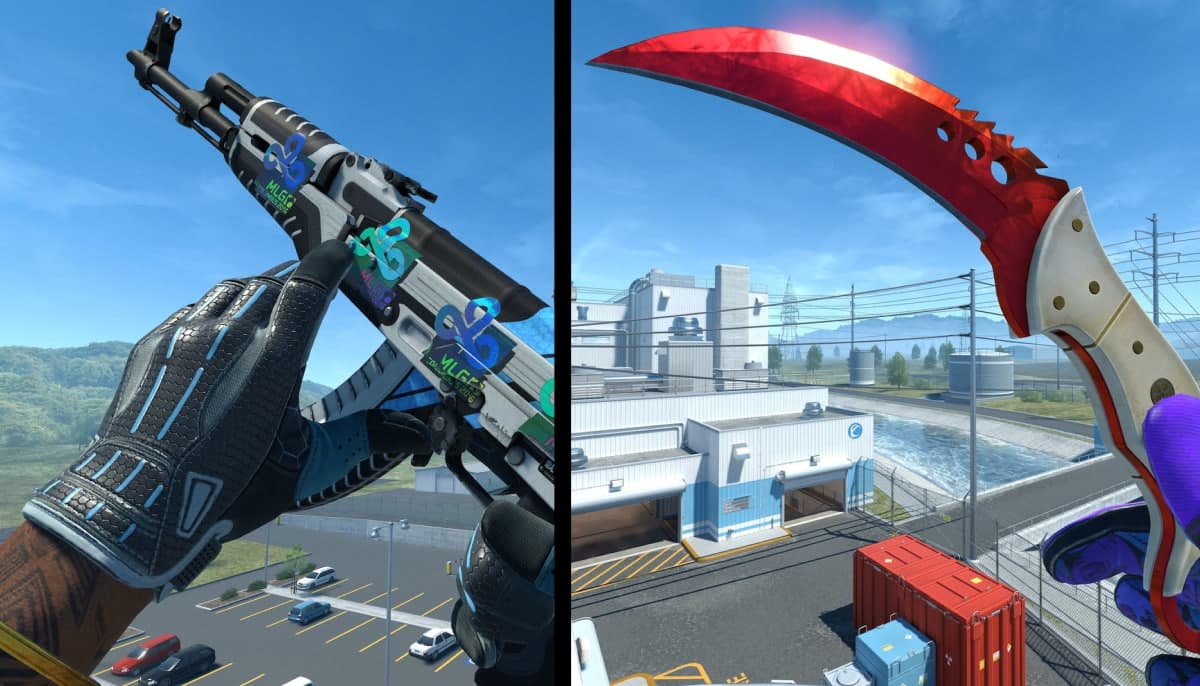
Gaming has always been about more than winning. It’s about the moments that stick with you the clutch plays, the inside jokes with teammates, the late‑night sessions that blur into sunrise. But in recent years, something else has become part of that experience: digital style. Skins have evolved from simple visual upgrades into a full‑blown culture of expression, creativity, and entertainment. And nowhere is that culture more alive than in Counter-Strike.
For many players, skins are woven into the rhythm of the game. They’re part of the ritual of loading into a match, inspecting your weapon, and feeling that small spark of excitement before the first round begins. They’re not required to play, but they make playing feel more personal more like you.
When Counter-Strike Becomes a Canvas?
In the early days of competitive shooters, cosmetics were an afterthought. But Counter-Strike changed that. It showed players that a game could be both tactical and expressive, both competitive and creative. Skins became a way to bring personality into a world defined by precision and strategy.
A bright, graffiti‑inspired rifle can make a tense moment feel electric. A sleek, dark pistol can set a calm, focused tone. A rare knife animation can turn a simple inspect into a moment of swagger.
These touches don’t alter gameplay, but they absolutely shape the experience of it. They make every match feel like a performance not in a theatrical sense, but in a way that celebrates individuality.
Skins as Digital Art
One of the most fascinating aspects of CS skins is how deeply artistic they are. Designers blend color theory, texture, pattern work, and thematic storytelling to create items that feel like miniature works of art. Some skins draw inspiration from mythology, others from street art, sci‑fi, nature, or abstract design.
This artistic diversity gives players the freedom to curate their own aesthetic. Some prefer bold, expressive designs that pop on screen. Others gravitate toward subtle, tactical looks that feel grounded and immersive. And some players chase rare patterns or unique finishes because they love the thrill of owning something truly one‑of‑a‑kind.
Skins aren’t just visuals they’re creative statements.
The Social Meaning Behind Skins
Halfway through the evolution of skins culture, something interesting happened: skins became social identifiers. Not in a superficial way, but in the same way fashion, collectibles, or personal accessories work in the real world.
A player’s loadout can reveal a lot:
-
Do they value rarity?
-
Do they prefer clean, understated designs?
-
Do they love vibrant, expressive skins?
-
Do they collect based on themes or nostalgia?
This is where In-game Items began to take on a deeper cultural role. They became part of how players communicate identity, taste, and even humor. A quirky skin can spark laughter in voice chat. A rare pattern can earn admiration. A nostalgic design can remind teammates of old memories.
Skins became conversation starters tiny digital artifacts that help players connect.
The Entertainment Factor
Gaming today is as much about entertainment as it is about competition. Players stream their matches, share clips, and build communities around their gameplay. Skins enhance this entertainment value in ways that are subtle but powerful.
Think about how often skins appear in:
-
Twitch streams
-
YouTube montages
-
Esports broadcasts
-
Social media highlights
-
Team content and player intros
A knife spin before a clutch. A glowing rifle under map lighting. A rare pattern revealed mid‑round.
These moments add visual flair to the game, making it more engaging to watch and more fun to play. Skins help turn gameplay into performance — not in a theatrical sense, but in a way that celebrates individuality and creativity.
Why Players Care So Much?
People outside gaming sometimes wonder why players care so deeply about skins. But the answer is simple: humans have always personalized the tools they use.
Musicians decorate their instruments. Athletes choose gear that reflects their style. Artists customize their brushes and workspaces.
Gamers? They customize their weapons.
Skins are the digital evolution of a timeless instinct — the desire to express yourself through the objects you interact with. They make the game feel more personal, more meaningful, and more fun.
And in a high‑intensity game like CS, that emotional connection matters. It can boost confidence, spark joy, or simply make a long session feel more immersive.
Skins as Community Builders
One of the most beautiful aspects of skins culture is how it brings people together. Entire communities have formed around appreciating the artistry behind skins — discussing patterns, sharing screenshots, celebrating rare finds, and debating which designs deserve more recognition.
Skins create shared experiences:
-
A teammate pulls out a skin you’ve never seen before.
-
Someone unwraps a rare item mid‑match.
-
A streamer reacts with pure excitement to a new drop.
These moments build connection. They turn gaming into a social experience, not just a competitive one.
Skins in Esports and Streaming Culture
In esports, skins have become part of the entertainment package. They appear in highlight reels, player intros, and team content. They help define a player’s brand — the same way an athlete’s shoes or gear might.
Streamers also use skins to shape their on‑screen identity. A signature knife or favorite rifle skin becomes part of their persona. Viewers recognize it instantly. It becomes part of the show.
This blend of gameplay, personality, and visual flair is what makes modern gaming so engaging. Skins aren’t just items they’re props in a performance, tools in a creative craft, and symbols in a shared culture.