

In the fast-paced world of modern commerce, efficient ordering workflows are essential for business success. A smooth order process not only ensures timely delivery but also minimizes errors, reduces operational costs, and enhances customer satisfaction. Yet, many businesses struggle with inefficient workflows, redundant steps, and lack of coordination between teams. By optimizing ordering workflows, companies can streamline operations, improve accuracy, and gain a competitive edge.
Analyzing Current Workflow Processes
The first step in optimizing any ordering workflow is understanding the current process. Businesses should map out each stage, from receiving an order to delivery and invoicing. This process helps identify bottlenecks, redundancies, and points where errors frequently occur.
Key metrics, such as order processing time, error rate, and fulfillment speed, provide insights into workflow performance. Monitoring these KPIs allows businesses to pinpoint inefficiencies and make data-driven improvements. For example, some companies discover that manual data entry causes frequent mistakes, while others find that delays occur due to poor communication between departments.
Investing time in workflow analysis is essential. With a clear understanding of the current process, businesses can implement targeted strategies that eliminate unnecessary steps, reduce human error, and improve overall efficiency. One of the most effective tools in this stage is an online order management system, which provides centralized control over orders and automates many manual tasks.
Leveraging Technology for Order Management
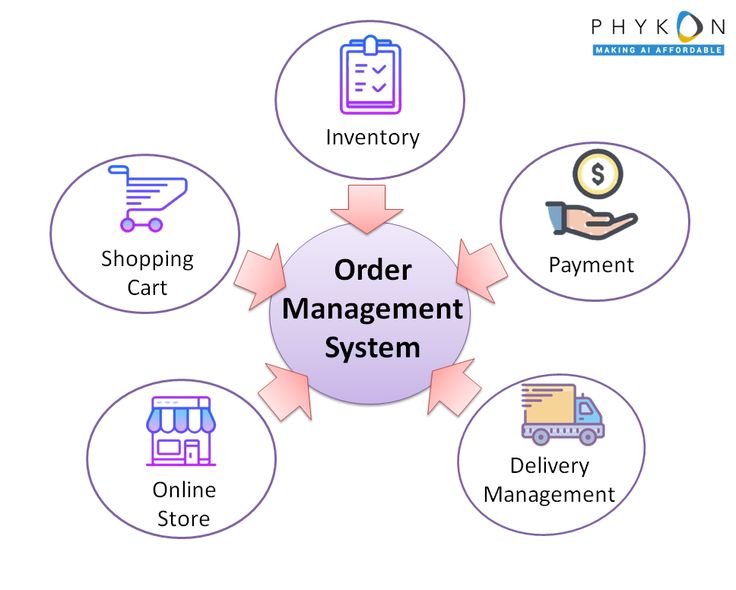
Technology has become a cornerstone of workflow optimization. Digital tools streamline order tracking, communication, and fulfillment, reducing errors and saving time. An online order management system can centralize all orders in one platform, ensuring that no order is lost, delayed, or duplicated.
These systems allow businesses to automate repetitive tasks, such as purchase orders, approvals, and notifications. By reducing the reliance on manual processes, companies can minimize human error and ensure that orders are processed consistently and accurately. Integration with other business tools, like accounting software and inventory management platforms, further enhances efficiency by ensuring that all departments are working from the same data.
Moreover, technology provides real-time visibility into the status of each order. Managers can monitor processing times, identify delays, and quickly address issues before they impact customers. This level of transparency fosters trust with clients and suppliers and makes the entire ordering process more predictable and reliable.
Streamlining Communication Between Teams and Suppliers
One of the most common causes of delays in order workflows is poor communication. Misunderstandings between departments or with suppliers can lead to errors, duplicated work, and missed deadlines. Streamlining communication is critical for a smooth workflow.
Centralized communication platforms, combined with workflow automation tools, ensure that all relevant parties have access to the same information. Internal teams, warehouse staff, and suppliers can view order status, delivery schedules, and special instructions in real time. This reduces back-and-forth emails and phone calls, allowing teams to respond quickly and efficiently.
For example, businesses that implement collaboration tools often report faster response times from suppliers and smoother coordination across departments. This improvement directly impacts order fulfillment speed, accuracy, and overall customer satisfaction.
Automating Repetitive Tasks
Automation is one of the most effective ways to optimize ordering workflows. Repetitive tasks such as creating purchase orders, sending confirmations, generating invoices, and updating inventory can consume significant time when done manually. Automating these tasks not only reduces errors but also frees up employees to focus on higher-value activities.
An online order management system plays a central role in this automation. By automatically routing orders through approval processes, updating stock levels, and notifying stakeholders of changes, businesses can significantly reduce manual intervention.
Additionally, automated systems provide detailed logs of each order’s lifecycle, making it easier to track performance and identify areas for improvement. This visibility allows businesses to implement proactive solutions rather than reacting to issues after they arise.
Integrating Inventory and Sales Data
Optimized workflows require real-time visibility into inventory and sales data. Businesses must ensure that stock levels are accurate to prevent overselling, delays, or stockouts. Integrating sales data with inventory management enables companies to align orders with available resources and forecast future demand.
Predictive analytics can further enhance workflow optimization. By analyzing historical sales data, businesses can anticipate order volumes, adjust inventory levels, and ensure that suppliers are prepared to meet demand. This approach reduces the likelihood of stock shortages, improves order fulfillment, and strengthens relationships with both customers and suppliers.
Integrating inventory, sales, and order management through a unified platform ensures that every department operates with the same data, reducing errors and enhancing efficiency. Using a robust online order management system can consolidate all these functions, making the workflow more streamlined and easier to monitor.
Continuous Improvement and Monitoring
Workflow optimization is not a one-time effort; it requires ongoing monitoring and refinement. Businesses should regularly review performance metrics, gather feedback from staff and suppliers, and implement iterative improvements.
Monitoring KPIs such as order processing time, error rates, and fulfillment accuracy helps identify new bottlenecks as the business grows. Continuous improvement ensures that workflows remain efficient and adaptable to changing market conditions.
Encouraging feedback from employees involved in order processing can also provide valuable insights. Staff often identify pain points that may not be apparent through metrics alone. Incorporating this feedback into workflow updates ensures that solutions are practical and effective.
Future Trends in Order Workflow Optimization
The future of ordering workflows is increasingly digital and data-driven. Technologies such as artificial intelligence (AI), machine learning, and predictive analytics are shaping the next generation of order management. AI can forecast demand, optimize stock levels, and even recommend changes to workflow processes based on historical data.
Cloud-based solutions and mobile platforms allow teams to manage orders on the go, providing flexibility and real-time updates. As businesses scale, these tools will become essential for maintaining efficiency and meeting customer expectations.
Investing in modern technology and workflow optimization strategies ensures that companies are prepared for future growth and can handle increased order volumes without compromising quality or efficiency.
Conclusion
Optimizing ordering workflows is critical for businesses looking to improve efficiency, reduce errors, and enhance customer satisfaction. By analyzing current processes, leveraging technology, automating repetitive tasks, streamlining communication, integrating data, and committing to continuous improvement, companies can create a workflow that is both efficient and scalable.
Adopting an online order management system is a pivotal step in this transformation, providing centralized control, automation, and real-time insights. Businesses that embrace these strategies will not only save time and reduce operational costs but also build stronger relationships with customers and suppliers, paving the way for long-term success.