

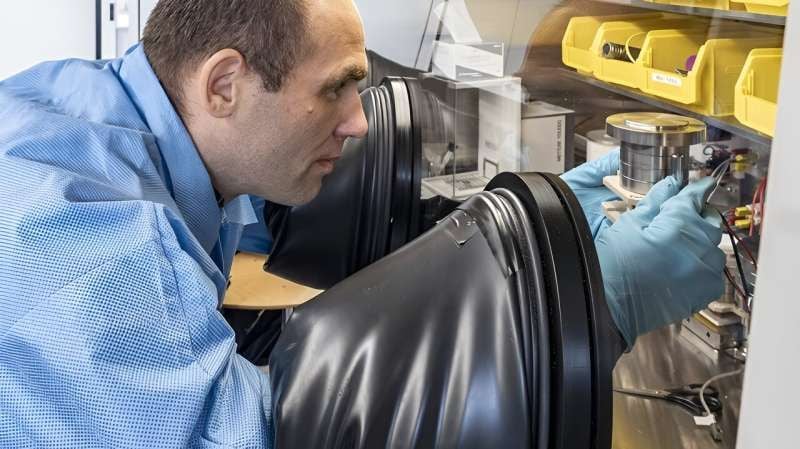
The technology world is evolving rapidly. One of the biggest drivers behind this change is battery technology. As we move toward 2025, new and improved battery materials will play a crucial role in shaping the future of electronics, electric vehicles, renewable energy, and much more.
Why Battery Materials Matter
Batteries are the heart of many modern devices — from smartphones and laptops to electric cars and energy storage systems. The better the battery material, the longer the device lasts, the faster it charges, and the safer it is to use.
Traditional batteries, like lithium-ion, have powered many of our gadgets for years. But as technology advances, we need batteries that are lighter, more powerful, and more environmentally friendly. This need is pushing researchers and companies to explore new materials that can improve battery performance significantly.
Key Battery Materials Shaping 2025 Tech
1. Lithium and Its Alternatives
Lithium has been the backbone of rechargeable batteries for over a decade. However, the increasing demand for lithium has raised concerns about supply shortages and price increases. That’s why alternative materials, such as sodium and magnesium, are being explored. These alternatives promise similar or better performance with more abundant resources.
2. Solid-State Electrolytes
Current lithium-ion batteries use liquid electrolytes, which can be flammable and limit battery life. Solid-state batteries replace liquid electrolytes with solid ones, offering higher safety and energy density. This technology is expected to become mainstream by 2025, especially in electric vehicles and portable electronics.
3. Graphene: A Strong New Material
Graphene is a very thin layer of carbon atoms. It is super strong, conducts electricity well, and is flexible.
Graphene can change batteries for the better. Companies that work with Graphene Products Suppliers, including ACS material, are making batteries that charge faster and last longer.
Graphene helps battery parts carry electricity better. This means the battery can work more efficiently.
By 2025, we expect to see many products using graphene batteries. This could mean electric cars with longer driving ranges and phones that need charging less often.
4. Silicon Anodes
Silicon is being added to battery anodes to replace graphite. However, silicon expands and contracts during charging, which causes damage. Researchers are finding ways to stabilize silicon to make it usable at scale by 2025.
Impact on Electric Vehicles (EVs)
Electric vehicles are growing fast in the USA. Better batteries are a big reason why. People want cars with longer battery life and quick charging. Graphene and solid-state batteries will help with this.
This means fewer worries about running out of charge and shorter stops to recharge. Using new materials will also lower costs and reduce the need for rare metals.
Impact on Consumer Electronics
Smartphones, laptops, wearable devices, and even drones depend heavily on battery technology. With battery materials improving, consumers will enjoy:
-
Longer usage time between charges
-
Faster charging speeds
-
Smaller and lighter devices without compromising power
Imagine a smartphone that charges fully in minutes and lasts for days or a drone that can fly longer on a single battery charge. These advancements are not far off and will be common in 2025.
Impact on Renewable Energy Storage
Renewable energy sources like solar and wind produce clean energy but rely on effective storage solutions to be practical. Battery Materials that enable safer, larger, and more efficient energy storage systems are critical.
Graphene-enhanced batteries and solid-state batteries offer promising solutions for storing renewable energy more effectively. This means homes and businesses can store energy during the day and use it at night, reducing reliance on fossil fuels.
In the USA, many states are pushing for renewable energy adoption, and improved battery technology is a key enabler of this shift. Energy companies are collaborating with graphene products suppliers to create next-generation storage systems.
Environmental Benefits
Battery mining and waste can harm the environment. That’s a big concern.
New materials like graphene can be made cleaner and recycled easier. They also use fewer rare metals.
By 2025, batteries should be more eco-friendly. This will help tech growth without hurting the planet.
Challenges Ahead
There are still some challenges to solve:
-
New materials like graphene cost a lot now. Making them cheaper is important.
-
Some materials need more tests to make sure they last long.
-
Supply chains must improve to get enough materials worldwide.
Experts believe these problems will be fixed soon. The benefits of better batteries are worth it.
Final Thoughts
Better battery materials will power many tech advances in 2025. From electric cars to phones and energy storage, they will make devices safer, faster, and greener.
ACS Material and other graphene product suppliers are leading this change. As a professional, I’m excited to see how these materials shape our future.