

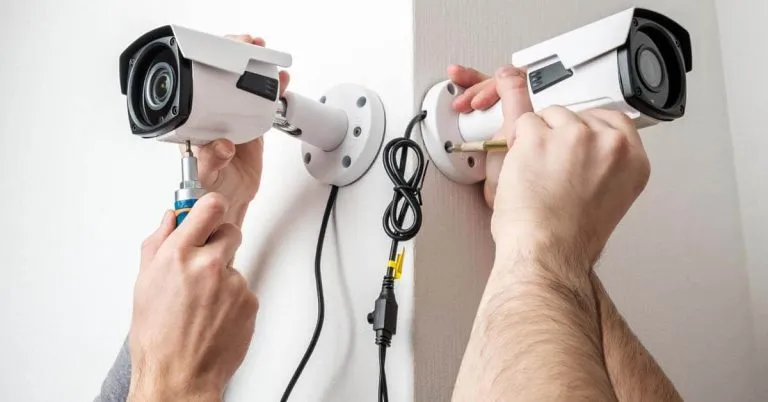
Modern home security has evolved far beyond standalone cameras and basic recording units. Today, integrating CCTV systems with smart home technology allows homeowners to create a fully connected and intelligent security environment. After completing a CCTV installation, the next logical step is linking it with smart devices such as mobile apps, voice assistants, motion sensors, smart locks, and automated lighting. This integration enhances control, convenience, and overall property protection. For UK homeowners seeking advanced surveillance solutions, combining video monitoring with home automation provides real-time awareness and improved response to potential threats.
Why Integrate CCTV with a Smart Home System?
A traditional CCTV system records and stores footage, but integration transforms it into an interactive security network. Instead of simply reviewing recorded video, homeowners can receive instant alerts, access live feeds remotely, and trigger automated actions based on detected activity.
Smart integration improves both security and lifestyle convenience. For example, when a camera detects motion near the front door, outdoor lights can automatically switch on. If suspicious activity occurs, the homeowner receives an immediate notification on their smartphone. This seamless communication between devices creates a proactive security environment rather than a passive one.
In addition, integrating security cameras with smart home devices increases property value and enhances daily living comfort.
Connecting CCTV to a Home Network
The first step in integration is ensuring your CCTV system is properly connected to your home network. Most modern systems use IP cameras that operate via an internet connection. This allows remote viewing, cloud storage options, and device pairing.
Secure Network Configuration
Proper network configuration is critical. Cameras should be connected to a secure Wi-Fi network with strong password protection. Enabling encryption and firewall protection reduces the risk of unauthorised access.
A stable broadband connection ensures smooth video streaming and reliable notifications. For larger properties, signal boosters or mesh Wi-Fi systems may be required to maintain consistent connectivity throughout the home.
Mobile App Integration
Many surveillance systems come with dedicated mobile applications. These apps allow homeowners to monitor live video, review recorded footage, and adjust camera settings remotely. After installation, pairing your cameras with the official app is usually straightforward.
Mobile integration provides full control from anywhere in the world. Whether at work or on holiday, homeowners can check activity at their property in real time, enhancing peace of mind.
Integrating CCTV with Voice Assistants
Smart home systems often include voice-controlled devices such as digital assistants. Integrating CCTV with voice assistants allows hands-free control of surveillance features.
Viewing Live Footage by Voice Command
Once connected, users can request live camera feeds on compatible smart displays. For instance, asking a voice assistant to show the driveway camera can instantly stream footage on a connected screen.
This functionality is especially useful when someone rings the doorbell or when unusual activity is detected outside.
Automating Security Actions
Voice assistants can also be used to arm or disarm certain security features. Integration enables smooth coordination between cameras, alarms, and lighting systems. However, security settings should always be configured carefully to prevent unauthorised voice access.
Linking CCTV with Smart Lighting Systems
Lighting plays a significant role in home security. Integrating CCTV with smart lighting enhances deterrence and visibility.
Motion-Activated Lighting
When cameras detect movement, connected outdoor lights can automatically switch on. This not only improves video clarity but also discourages potential intruders.
Motion-triggered lighting reduces energy consumption by operating only when necessary. It also ensures that night-time footage captures clear images.
Scheduled Lighting Integration
Smart lighting can follow scheduled routines that align with surveillance activity. For example, lights can turn on automatically at sunset and work alongside night vision cameras for optimal monitoring.
Combining CCTV with Smart Locks and Access Control
Integration with smart locks adds another layer of security and convenience.
Monitoring Entry Points
When someone approaches a door equipped with both a camera and smart lock, homeowners can view live footage before granting access. This is particularly useful for deliveries or visitors when the homeowner is away.
Remote Door Management
Through mobile applications, users can unlock doors remotely while simultaneously viewing camera footage. This ensures that access is granted safely and securely.
Combining access control with surveillance reduces risks and enhances overall entry point management.
Integrating CCTV with Intruder Alarms
A connected alarm system strengthens home security when integrated with CCTV.
Automatic Recording During Alarm Activation
If an alarm is triggered, cameras can automatically focus on specific zones and begin recording at higher resolution or frame rates. This ensures clear documentation of incidents.
Instant Alerts and Notifications
Integration allows homeowners to receive instant notifications when alarms and cameras detect unusual activity. This rapid communication enables quicker response times and potentially prevents property damage.
Cloud Storage and Data Management
Smart integration often includes cloud-based storage solutions. Cloud recording provides additional backup in case on-site recording devices are damaged or tampered with.
Secure Remote Access
Cloud services allow homeowners to review recorded footage from any internet-connected device. Secure login credentials and encryption ensure data protection.
Flexible Storage Options
Depending on subscription plans, homeowners can adjust storage duration and video quality settings. This flexibility supports both residential and small business requirements.
Enhancing Energy Efficiency Through Automation
Integrating CCTV with home automation can improve energy efficiency. Cameras and smart sensors work together to optimise lighting and heating systems.
For example, when no motion is detected for extended periods, certain devices can automatically power down. Conversely, when activity is detected, lighting and monitoring systems activate instantly. This coordination balances security with energy savings.
Cybersecurity Considerations
While integration offers numerous benefits, cybersecurity must be prioritised. Smart home networks are vulnerable if not properly secured.
Strong passwords, two-factor authentication, and regular firmware updates are essential. Secure router configuration and encrypted connections protect surveillance footage from cyber threats.
Homeowners should avoid using public Wi-Fi networks to access camera feeds and should routinely monitor connected devices for unusual activity.
Professional Support for Smart Integration
Although many systems offer user-friendly setup, professional support ensures optimal configuration and performance. Companies like sahisecure volt can assist with advanced integration, ensuring all components communicate effectively and securely.
Professional installers can configure network settings, test automation sequences, and provide guidance on maintaining system security. This reduces the risk of connectivity issues and technical errors.
Future-Proofing Your Smart Security System
Technology continues to evolve rapidly. When integrating CCTV with smart home systems, it is wise to choose scalable equipment that supports future upgrades.
Modern systems may include artificial intelligence features such as facial recognition, vehicle detection, and behavioural analysis. Selecting compatible devices ensures your system remains adaptable as new innovations emerge.
Investing in expandable recording units and flexible automation platforms helps protect your long-term investment.
Final Thoughts on Smart CCTV Integration
Integrating CCTV with smart home systems after installation transforms basic surveillance into a comprehensive security network. From voice assistant compatibility and mobile monitoring to automated lighting and access control, smart integration enhances both safety and convenience.
By ensuring secure network configuration, reliable device pairing, and proper cybersecurity measures, homeowners can create a seamless and intelligent security environment. Professional guidance further optimises system performance and reliability.
A fully integrated smart security system provides real-time monitoring, instant alerts, and automated responses, delivering peace of mind and stronger protection for modern UK homes.