

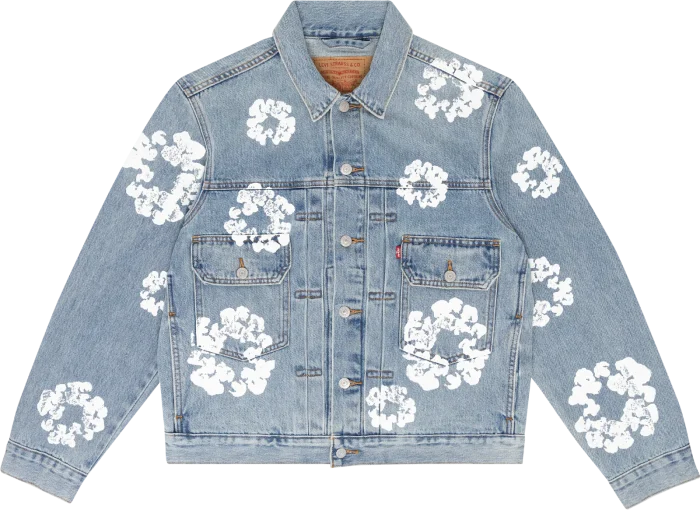
In the ever-evolving landscape of fashion, few brands have managed to capture the essence of cultural identity and artistic expression as profoundly as Denim Tears. Founded by designer Tremaine Emory, Denim Tears has become more than just a clothing label; it is a movement that redefines American style through a lens of history, activism, and cultural storytelling. This brand’s rise signifies a broader shift in how fashion communicates identity, heritage, and social consciousness in contemporary America.
The Genesis of Denim Tears
Denim Tears emerged in 2017, a product of Tremaine Emory’s desire to fuse his passion for denim with a deep respect for African American history and culture. Emory, a former creative director for Supreme and a prominent figure in streetwear and art circles, used denim as a canvas to explore themes of racial injustice, systemic oppression, and resilience. The name “Denim Tears” itself evokes a powerful image—tears shed over the struggles and triumphs embedded in the fabric of American history.
From its inception, the brand distinguished itself through striking graphics, symbolic motifs, and a commitment to storytelling. Embroidered imagery of the African continent, references to the transatlantic slave trade, and symbols of resistance have become recurring elements in Denim Tears’ collections. These visual narratives challenge viewers to confront uncomfortable truths about America’s past while celebrating Black culture and resilience.
A Dialogue with American History and Culture
One of the defining aspects of Denim Tears is its ability to serve as a dialogue between fashion and history. Each collection appears as a visual essay, weaving references to historical events, figures, and cultural symbols into contemporary streetwear aesthetics. For instance, Emory’s collaboration with Nike in 2020 drew widespread attention for its incorporation of imagery related to the Black Power movement and African heritage, transforming sneakers into platforms of cultural expression.
This approach transforms clothing from mere aesthetic objects into carriers of meaning. By integrating historical symbolism into wearable art, Denim Tears creates a new language of American style—one that openly discusses racial identity, struggles, and victories. It pushes the boundaries of traditional fashion, emphasizing that clothing can be a form of activism and cultural preservation.
The Artistic Influence and Collaborations
Tremaine Emory’s background in art and his connections within the creative community have significantly influenced Denim Tears’ distinctive aesthetic. The brand often collaborates with other artists, musicians, and brands that share its ethos of cultural engagement. These collaborations serve to amplify its message and reach a broader audience.
The partnership with Nike, for example, was not just about designing sneakers; it was an artistic project rooted in social commentary. The Air Force 1 “Uptown” collection featured imagery inspired by Black history and African art, turning a mainstream sneaker into a canvas for political expression. Such collaborations demonstrate how Denim Tears is reshaping the language of American style, blending high art with streetwear and activism.
Fashion as a Platform for Cultural Narratives
In redefining American style, Denim Tears exemplifies a broader movement where fashion acts as a platform for cultural narratives. The brand’s emphasis on storytelling through apparel challenges the conventional notion of fashion as superficial or purely aesthetic. Instead, it positions clothing as a medium for education, dialogue, and resistance.
This approach resonates with younger generations who seek authenticity and purpose in their fashion choices. As consumers become more socially conscious, brands like Denim Tears are leading the way in demonstrating that style can be both meaningful and impactful. The clothing becomes a form of visual language that communicates identity, history, and values without uttering a word.
The Significance of Denim and American Identity
Denim, as a fabric, holds a special place in American cultural history. It symbolizes rugged individualism, labor, and rebellion—traits often associated with the American identity. Denim Tears amplifies this symbolism by infusing it with deeper cultural and political significance.
The brand’s use of denim as a medium underscores its connection to American roots while also challenging traditional notions. It transforms a ubiquitous garment into a statement piece that embodies resistance, resilience, and cultural pride. In doing so, Denim Tears rewrites the narrative of American style, emphasizing that fashion is a reflection of societal truths and collective memory.
The Future of American Style and Denim Tears’ Role
As the fashion industry continues to evolve, the influence of brands like Denim Tears suggests a future where style is intertwined with activism and storytelling. The brand’s approach encourages designers and consumers alike to view clothing as a powerful tool for cultural dialogue and change.
Tremaine Emory’s vision exemplifies a new language of American style—one that is inclusive, expressive, and rooted in history. Denim Tears Shirt has set a precedent for how fashion can serve as a platform for marginalized voices, historical reflection, and cultural celebration. Its success signals a shift towards a more conscious and meaningful approach to fashion, where style becomes a language of resistance and identity.
Conclusion
Denim Tears USA has revolutionized the concept of American style by integrating cultural history, activism, and artistic expression into its designs. Through its compelling narratives and collaborations, the brand has established a new language—one that challenges viewers to reconsider the stories embedded in their clothing. As fashion continues to serve as a mirror of societal values, Denim Tears stands at the forefront, demonstrating that style can indeed be a powerful form of communication. Its journey reflects a broader movement towards a more conscious, inclusive, and expressive understanding of American identity, making it a defining voice in the ongoing evolution of fashion and culture.