

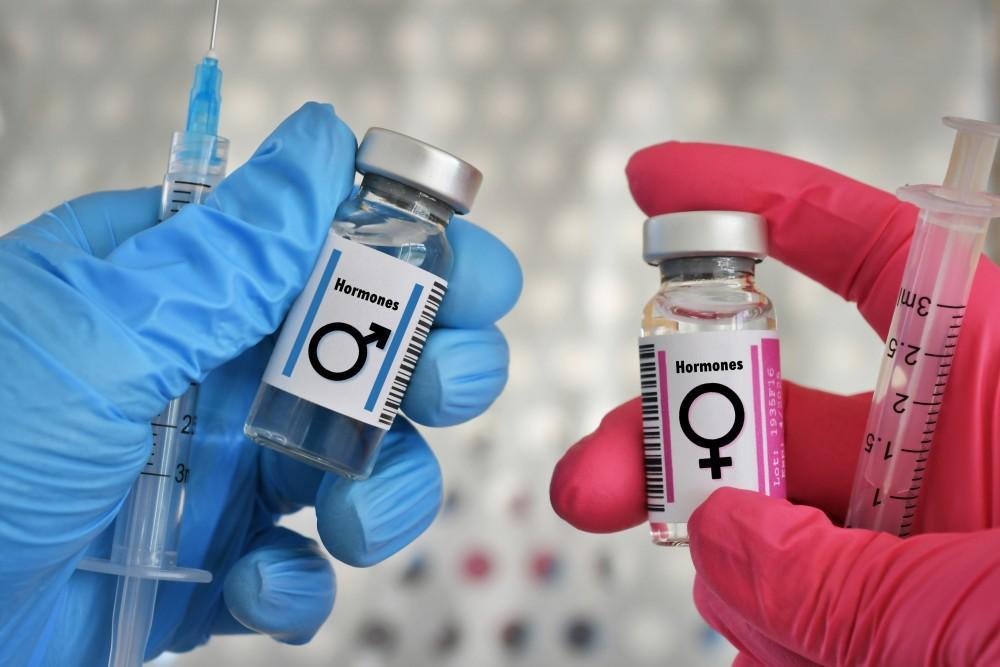
Hormonal replacement therapy is often discussed when people experience symptoms related to hormone imbalance. Many search this topic looking for clarity about what hormonal replacement therapy actually does, who it is for, and whether it is safe. This guide explains the basics in a clear and practical way so readers can make informed decisions.
What is hormonal replacement therapy
Hormonal replacement therapy, commonly called HRT, is a treatment approach that helps restore hormone levels when the body no longer produces enough on its own. Hormone levels naturally change with age, stress, medical conditions, and life stages such as menopause or andropause.
HRT may involve replacing hormones like estrogen, progesterone, testosterone, or thyroid hormones depending on individual needs. The goal is to reduce symptoms caused by hormone deficiency and improve overall quality of life.
Why hormone levels become imbalanced
Hormone imbalance can occur for many reasons. Aging is the most common factor, but lifestyle, chronic stress, poor sleep, nutritional deficiencies, and certain medical conditions can also affect hormone production.
In women, hormone levels often shift during perimenopause and menopause. In men, testosterone levels may gradually decline over time. These changes can lead to noticeable physical and emotional symptoms.
Common symptoms HRT may help address
People explore hormonal replacement therapy because of symptoms that affect daily life. These may include fatigue, low energy, weight gain, mood changes, brain fog, poor sleep, reduced libido, and difficulty concentrating.
Women may experience hot flashes, night sweats, vaginal dryness, and irregular cycles. Men may notice decreased muscle mass, low motivation, and reduced strength. While symptoms vary, many people seek HRT to restore balance and improve how they feel day to day.
How hormonal replacement therapy works
HRT works by supplying the body with hormones it is lacking. These hormones can be delivered in different forms, including creams, gels, patches, oral medications, or injections.
Once hormone levels are restored to a healthier range, the body may function more efficiently. This can help stabilize mood, improve energy levels, support metabolism, and enhance overall well being.
It is important to understand that HRT is not a one size fits all approach. Hormone needs differ from person to person, and therapy is typically adjusted over time based on response.
Benefits often associated with HRT
Many people report improved energy, better sleep, clearer thinking, and improved mood after starting hormonal replacement therapy. Some also notice changes in body composition, including better muscle tone and improved metabolism when combined with healthy habits.
HRT may also support bone health, cardiovascular health, and sexual health in certain individuals. These benefits depend on age, health history, and proper management.
Risks and considerations
Like any therapy, hormonal replacement therapy comes with considerations. Potential risks depend on the type of hormone used, dosage, method of delivery, and individual health factors.
This is why proper evaluation and ongoing monitoring are important. Hormone levels, symptoms, and overall health should be reviewed regularly to ensure therapy remains appropriate and safe.
People with certain medical histories may need alternative approaches or closer supervision.
Hormonal replacement therapy and weight management
Many people ask whether hormonal replacement therapy helps with weight loss. HRT is not a weight loss treatment, but balanced hormones can make weight management easier.
Hormone imbalance can slow metabolism, increase fat storage, and reduce motivation for physical activity. By addressing these imbalances, some people find it easier to maintain a healthy weight when combined with nutrition and exercise.
Who may consider hormonal replacement therapy
HRT is often considered by adults experiencing persistent symptoms related to hormone deficiency that do not improve with lifestyle changes alone.
It is commonly discussed by individuals going through menopause, men experiencing age related hormone decline, or those with diagnosed hormonal imbalances. A proper assessment helps determine whether HRT is appropriate.
Final thoughts
Hormonal replacement therapy is not about reversing aging or offering quick fixes. It is about restoring balance when hormone levels are no longer supporting optimal health.
Understanding what HRT does, what it can help with, and its limitations allows people to make informed choices. When combined with healthy lifestyle habits and proper guidance, hormonal replacement therapy can play a meaningful role in improving quality of life.