

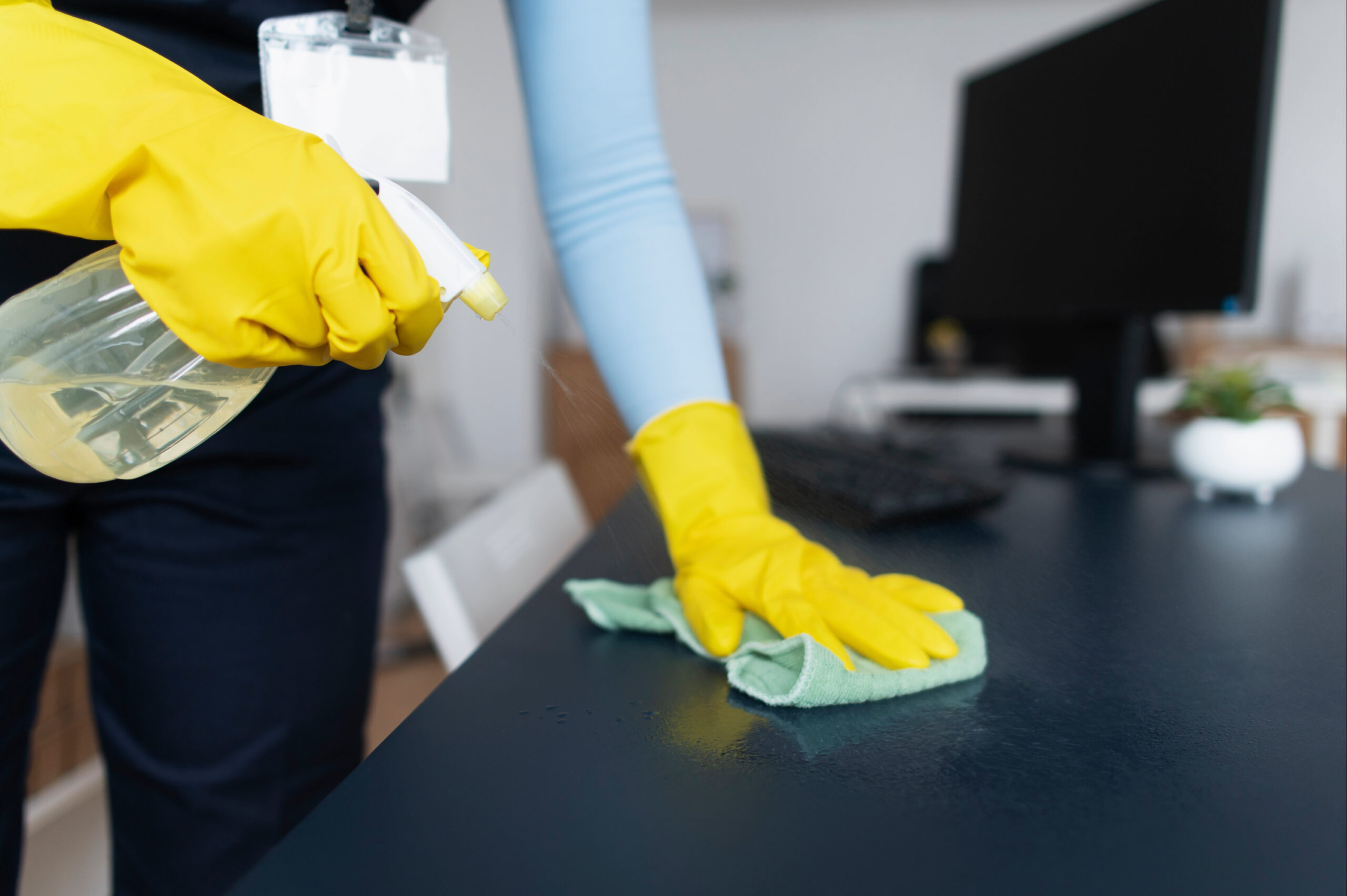
Maintaining a clean and hygienic office or commercial environment is essential for productivity, employee wellbeing, and customer impressions. A structured cleaning checklist ensures that no area is overlooked, promoting consistency and efficiency in daily and periodic cleaning routines. Importantly, these checklists are adaptable to kitchen environments to maintain food safety standards, making them versatile for various commercial settings.
Why Cleaning Checklists Matter
Cleaning checklists serve as practical guides for cleaning teams. They help:
- Standardise cleaning procedures across staff members
- Ensure compliance with health and safety regulations
- Reduce the risk of cross-contamination and infection
- Maintain the professional appearance of offices and commercial spaces
- Track completed tasks for accountability and reporting
Checklists simplify training for new staff and allow managers to monitor cleaning performance effectively.
Daily Cleaning Checklist
Daily cleaning tasks focus on areas that are heavily used and prone to dirt accumulation. Essential daily duties include:
- Reception and common areas
- Dust and wipe down desks, counters, and display surfaces
- Vacuum or mop floors
- Empty bins and replace liners
- Clean glass surfaces, doors, and mirrors
- Office spaces
- Wipe down keyboards, phones, and telephones
-
- Dust shelves, cabinets, and office equipment
- Ensure workstations are tidy and uncluttered
- Restrooms
- Refill soap, paper towels, and toilet paper
- Clean and disinfect toilets, sinks, and taps
- Mop floors with disinfectant
- Kitchen or break areas
- Wipe countertops, tables, and sinks
- Clean appliances such as microwaves, fridges, and coffee machines
- Empty bins and sanitise bin lids
These daily tasks are adaptable to kitchen environments to maintain food safety standards, ensuring hygiene remains a priority in both office and food preparation areas.
Weekly Cleaning Checklist
Weekly tasks address areas that require deeper attention or are less frequently touched:
- Dust high surfaces, vents, and light fixtures
- Deep clean carpets and rugs
- Sanitize phone handsets and computer peripherals
- Clean windows and glass panels inside and out
- Wipe down walls and skirting boards
Weekly cleaning helps reduce the accumulation of dust, allergens, and grime, improving air quality and maintaining a professional appearance.
Monthly Cleaning Checklist
Monthly checklists focus on detailed cleaning that extends beyond regular routines:
- Deep clean office furniture and upholstered items
- Descale taps, sinks, and kitchen appliances
- Check and clean behind large equipment and under furniture
- Inspect and clean air conditioning vents and filters
- Review inventory of cleaning supplies and reorder as needed
These tasks support long-term maintenance and ensure compliance with hygiene regulations.
Seasonal or Periodic Cleaning
Some cleaning tasks are required less frequently but are crucial for overall hygiene:
- Professional carpet cleaning
- Polishing wooden furniture and floors
- Deep cleaning kitchens to prevent pest infestations
- Power washing exterior surfaces and windows
- Sanitising high-touch areas such as door handles and lift buttons
Periodic cleaning keeps the office or commercial space in excellent condition, supporting both staff and client satisfaction.
Benefits of Using Cleaning Checklists
Implementing detailed cleaning checklists offers multiple benefits:
- Consistency: Ensures all cleaning tasks are completed systematically.
- Accountability: Allows supervisors to monitor performance and identify gaps.
- Health & Safety: Reduces risks of infection, especially in shared spaces.
- Efficiency: Helps staff prioritise tasks and manage time effectively.
- Flexibility: Tasks can be tailored to suit offices, retail spaces, or kitchens.
Tips for Effective Checklist Implementation
- Customise: Adapt the checklist to the size and type of your space.
- Train Staff: Provide clear instructions and expectations.
- Use Technology: Digital checklists and apps can improve tracking and reporting.
- Review Regularly: Update checklists based on seasonal requirements or feedback.
- Include Food Areas: Ensure kitchen or food prep zones are included and comply with food safety standards.
Integrating these tips ensures that checklists are practical, actionable, and maintain high standards across all commercial environments.
FAQs
1. How often should office cleaning checklists be updated?
Checklists should be reviewed quarterly or when there are changes in office layout or regulations.
2. Can checklists be used for multiple sites?
Yes, checklists can be adapted to different office or commercial sites while maintaining core cleaning standards.
3. What is the difference between daily and weekly checklists?
Daily checklists cover high-traffic, frequently used areas, while weekly checklists include deeper cleaning tasks.
4. Are checklists necessary for food preparation areas?
Absolutely. Cleaning checklists are adaptable to kitchen environments to maintain food safety standards, reducing contamination risks.
5. Can digital tools help with cleaning checklists?
Yes, apps and software allow for easier task tracking, reporting, and team coordination.