

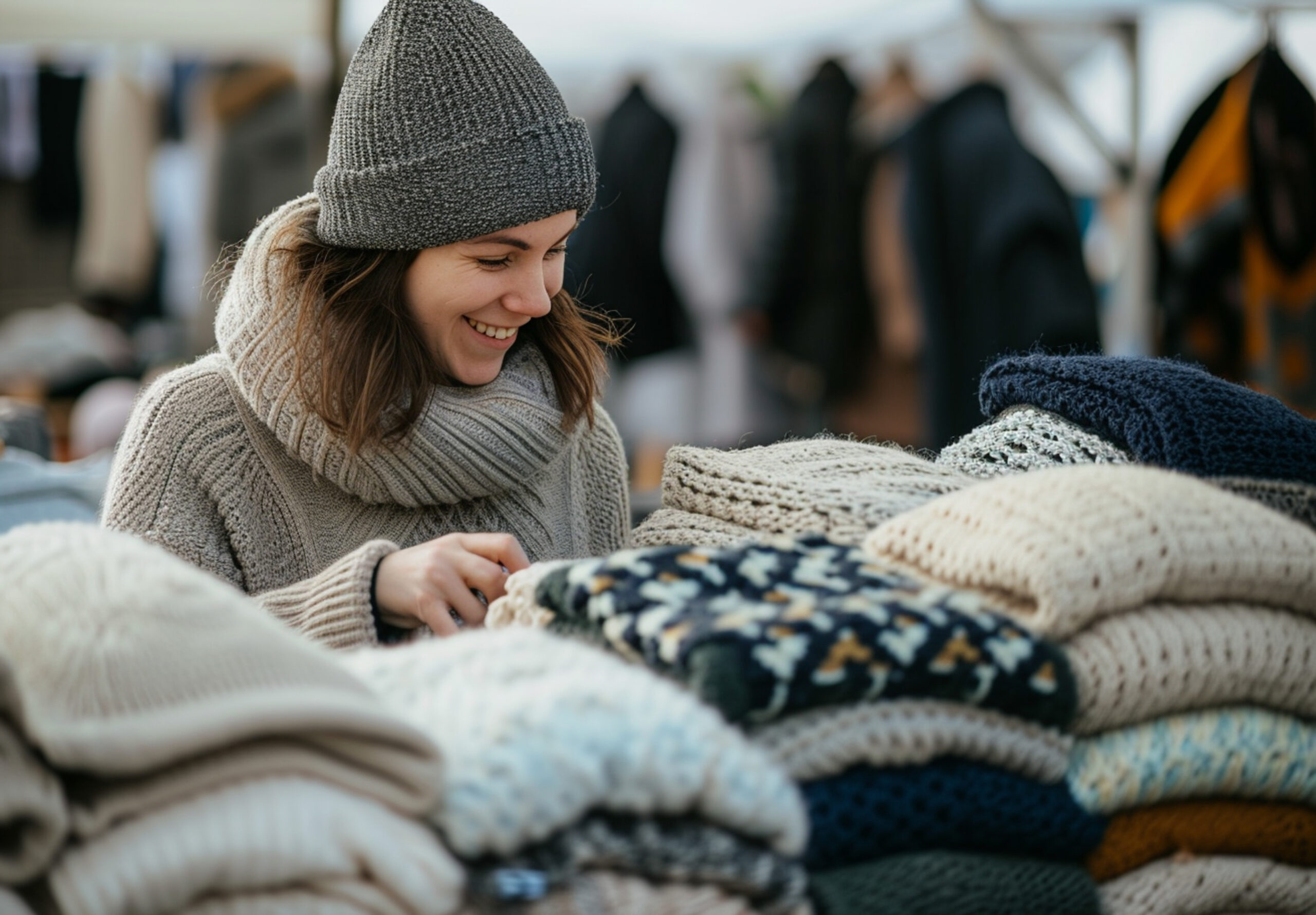
Knitwear is no longer just a cozy sweater for winter—it has become a year-round staple in global fashion. Behind every knitted garment lies a detailed process that blends art, engineering, and commerce. Knitwear manufacturing is the industry responsible for turning raw fibers into comfortable, stylish, and functional clothing.
Over the past century, knitwear manufacturing has undergone a remarkable transformation. What was once painstaking handwork done by skilled artisans has now become a global industry powered by automated machines, computer-aided design, and international trade networks. Yet, despite the shift to technology, the essence of knitwear remains rooted in its ability to provide comfort, versatility, and beauty.
Understanding Knitwear Manufacturing
Knitwear manufacturing is the process of making clothing and accessories from knitted fabrics. Unlike woven textiles, where yarns cross at right angles, knitted fabrics are created by looping yarns. This unique structure gives knitwear its hallmark features: stretchability, breathability, and softness.
Today, knitwear manufacturing spans everything from casual wear (t-shirts, hoodies) to high-end luxury garments (cashmere sweaters, wool coats) and functional items (sportswear, uniforms, thermal wear).
A Brief History of Knitwear
Early Origins
The earliest evidence of knitting dates back to the Middle East around the 11th century. Knitted items such as socks and gloves were created for warmth and durability. By the 14th century, knitting had reached Europe, becoming an important domestic and commercial skill.
Industrial Revolution
The invention of the stocking frame knitting machine in 1589 revolutionized production, enabling larger-scale manufacturing. By the 19th century, mechanized knitting became common, paving the way for mass production.
20th Century and Beyond
In the 20th century, knitwear evolved into mainstream fashion. Iconic styles like polo shirts, sweaters, and cardigans became wardrobe essentials. Globalization and fast fashion have since positioned knitwear as one of the largest segments of the apparel industry.
The Manufacturing Process: Step by Step
Fiber and Yarn Preparation
The journey begins with yarn selection. Common fibers used in knitwear include:
Cotton: Lightweight and breathable.
Wool: Warm, durable, and moisture-wicking.
Synthetic fibers (polyester, nylon, acrylic): Affordable, durable, and easy-care.
Luxury fibers (cashmere, alpaca, silk): Premium, soft, and elegant.
Yarn quality determines not only the feel of the garment but also its durability and performance.
Design and Pattern Creation
Designers conceptualize knitwear collections, choosing yarns, colors, textures, and patterns. Computer-Aided Design (CAD) tools allow them to simulate garment structures, reducing errors and speeding up development.
Patterns can range from simple jersey knits to complex cables, ribs, and jacquards. Each design requires specific machine settings and knitting techniques.
Knitting Process
Manufacturers use two primary knitting methods:
Flat knitting: Produces panels (front, back, sleeves) that are later assembled.
Circular knitting: Produces seamless tubular fabrics, ideal for t-shirts and socks.
Advanced machines can knit entire garments in one piece—this is known as whole-garment or seamless knitting, a sustainable method that reduces waste.
Linking, Cutting, and Sewing
Once panels are knitted, they are linked together to form the garment. Cutting and shaping may be done for specific designs. Assembly requires skilled operators to ensure proper alignment and smooth finishes.
Washing, Dyeing, and Finishing
The garments undergo washing to remove impurities and oils. Depending on design requirements, they may also be dyed, printed, or treated with finishes (softening, anti-pilling, wrinkle resistance).
Quality Control
Every stage includes inspections for yarn defects, knitting errors, sizing accuracy, and color consistency. High-quality knitwear undergoes multiple rounds of testing before approval.
Packaging and Shipping
Finished products are packaged, labeled, and distributed to retailers, wholesalers, or directly to customers via e-commerce.
The Role of Knitwear Suppliers
Knitwear suppliers are crucial to connecting manufacturers with global fashion brands. Their responsibilities include:
Managing large-scale orders.
Coordinating raw material sourcing.
Ensuring compliance with quality and ethical standards.
Offering trend insights and product development support.
Handling logistics for international shipping.
Reliable suppliers are often the backbone of successful fashion companies, as they ensure timely deliveries and consistent quality.
Types of Knitwear Products
The knitwear industry produces a vast range of garments and accessories, including:
Sweaters, cardigans, and pullovers.
T-shirts, polo shirts, and tops.
Dresses and skirts.
Sportswear and athleisure (leggings, hoodies, track jackets).
Accessories (hats, gloves, scarves, socks).
Each product requires different fibers, techniques, and finishes, making knitwear one of the most versatile sectors in apparel.
Global Knitwear Industry Overview
Knitwear manufacturing is concentrated in certain global hubs:
China: The largest producer and exporter of knitwear worldwide.
Bangladesh: Competitive in price, with a strong knitwear export market.
India: Known for cotton-based knitwear and growing luxury segments.
Turkey: Serves as a major supplier to European markets.
Italy: Famous for luxury knitwear brands and craftsmanship.
Together, these regions dominate the global knitwear supply chain, catering to both fast fashion and high-end fashion markets.
Current Trends in Knitwear Manufacturing
Eco-Friendly Materials
Sustainable fibers such as organic cotton, bamboo, hemp, and recycled polyester are gaining popularity. Eco-conscious consumers prefer knitwear with lower environmental impact.
Seamless Technology
Seamless knitting is revolutionizing efficiency and reducing waste. Brands like Nike and Adidas use seamless techniques for sportswear.
Smart Knitwear
Innovations in wearable technology have introduced knitwear with sensors that track body temperature, heart rate, and performance.
Customization and On-Demand Production
With digital tools, brands can produce custom-fit knitwear on demand, reducing excess inventory.
Luxury Expansion
High-end brands are investing heavily in knitwear, elevating it from basic apparel to luxury fashion statements.
The Future of Knitwear Manufacturing
The future of knitwear manufacturing is being shaped by three major forces:
Technology: 3D printing, AI-driven design, and advanced knitting machines will continue to improve speed and precision.
Sustainability: Circular fashion (recycling old garments into new yarns) will become more common.
Localization: On-demand and nearshore manufacturing will reduce transportation emissions and shorten delivery times.
Knitwear will remain central to fashion, offering comfort, performance, and style while adapting to global challenges and consumer expectations.
Conclusion
Knitwear manufacturing is much more than making sweaters—it is a complex, global industry that combines creativity, engineering, and commerce. From its humble beginnings as a craft skill to today’s advanced digital processes, knitwear continues to evolve with fashion trends, sustainability demands, and technological innovations.