

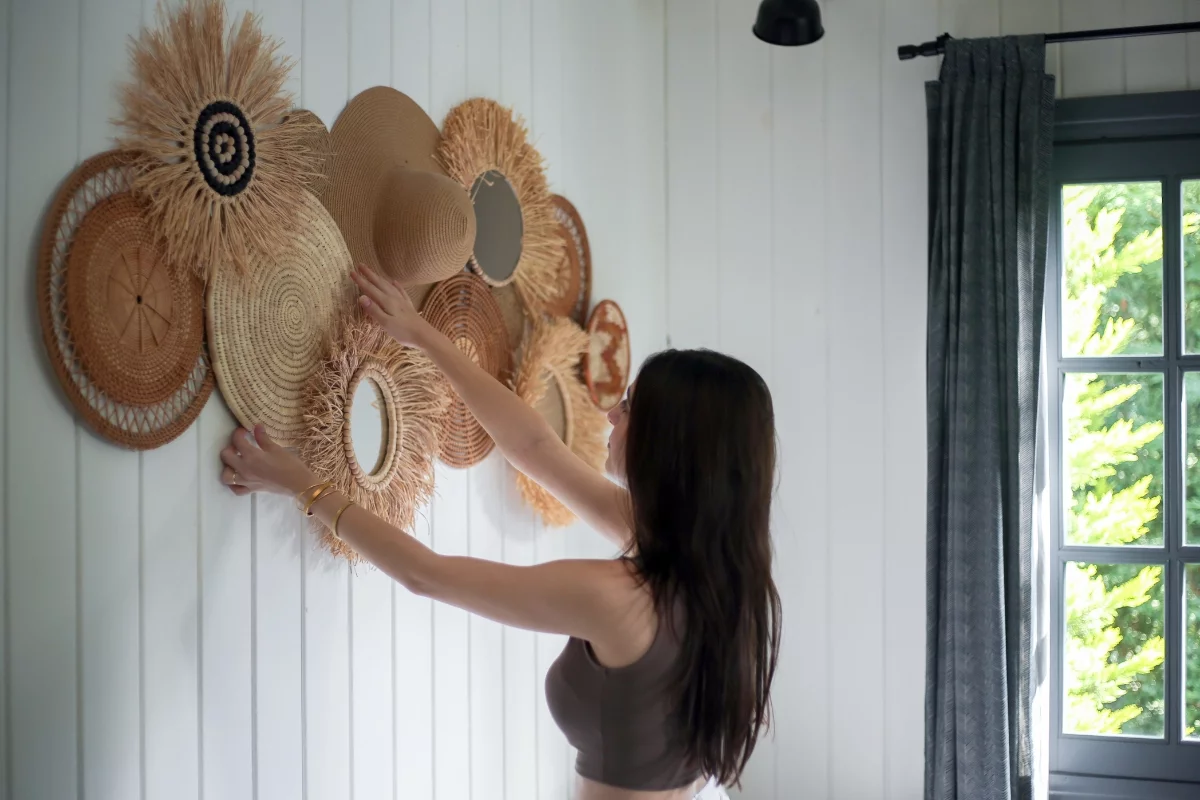
Your home is your sanctuary, a reflection of your personality and a space where memories are made. However, the thought of transforming it can feel daunting, especially when budgets are tight. The good news is that creating a beautiful, inviting home doesn’t require a limitless bank account or a team of interior designers. By blending smart, do-it-yourself projects with strategic professional insights, you can achieve a high-end look for less. This guide will walk you through the principles of economy home decor, offering actionable tips for both the avid DIYer and those considering when to call in the pros.
The Foundation of Economy Home Decor
Before diving into paint samples and fabric swatches, it’s crucial to establish a solid foundation. Economy home decor isn’t about buying the cheapest items available; it’s about being resourceful, intentional, and creative with your spending. It’s a philosophy that values style, sustainability, and smart investments over fleeting trends and impulsive purchases.
The core of this approach lies in planning. Start by defining your style. Browse magazines, Pinterest, and Instagram to create a mood board. Identify the colors, textures, and furniture styles you are consistently drawn to. This initial step prevents costly mistakes and ensures every purchase contributes to a cohesive vision. Next, audit what you already own. Often, we overlook the potential of our existing furniture. A fresh coat of paint, new hardware, or simply rearranging the layout can make a world of difference without spending a dime.
Mastering the Art of DIY Home Transformations
Do-it-yourself projects are the heart and soul of economy home decor. They allow for complete personalization and can save you a significant amount of money. The key is to choose projects that match your skill level and have a high impact on your space.
Refreshing Walls on a Budget
Walls are the largest canvas in any room, and updating them is the single most effective way to change its character. While a full repaint is always an option, there are even more economical ways to make a statement.
Peel-and-stick wallpaper has revolutionized DIY wall decor. It’s renter-friendly, relatively easy to apply, and available in thousands of patterns. Consider using it to create an accent wall behind your bed or in your dining area. For a truly custom look, try your hand at a painted mural or geometric design using painter’s tape. Even something as simple as painting your trim and baseboards a crisp white can make your entire room feel cleaner and more polished.
Upcycling and Thrifting Treasures
One person’s trash is another’s treasure chest. Thrift stores, flea markets, and online marketplaces are goldmines for economy home decor enthusiasts. Look for solidly built furniture with good “bones” that you can envision in a new light.
An old, dated wooden dresser can be transformed with sanding, chalk paint, and modern pulls into a stunning statement piece. A tired-looking armchair can get a new lease on life with a slipcover or, for the more ambitious, a full reupholstery job. Don’t be afraid to think outside the box—an old ladder can become a rustic bookshelf, and vintage suitcases can be stacked to form a unique side table. These projects not only save money but also infuse your home with character and history that can’t be bought new.
Crafting Custom Decor and Accessories
Small, handmade details are what make a house feel like a home. DIY accessories add a personal touch and are incredibly cost-effective.
Create your own art. You don’t need to be a master painter. Simple, abstract canvases using colors pulled from your palette, a large-scale photograph printed and framed, or a collection of pressed botanicals can look incredibly chic. Sewing your own throw pillow covers allows you to control the fabric, size, and pattern, ensuring a perfect match for your sofa or bed. Even updating old lampshades with ribbon trim or a coat of spray paint can tie your lighting into your new decor scheme.
When to Hire a Professional: A Smart Investment
While DIY is rewarding and economical, there are certain tasks where a professional’s expertise is not just valuable but essential. Knowing when to call in a pro can save you from costly errors, ensure safety, and actually be more economical in the long run.
Complex Electrical and Plumbing Work
This is the most critical area to avoid DIY mistakes. Any project that involves wiring, installing new light fixtures, moving outlets, or dealing with plumbing pipes should be handled by a licensed professional. Incorrect electrical work can lead to fire hazards, and faulty plumbing can cause devastating water damage. The cost of hiring an electrician or plumber is a smart investment in your home’s safety and integrity.
Major Structural Changes and Flooring Installation
Have a dream of knocking down a wall to create an open-concept living area? This is not a job for amateurs. Load-bearing walls are critical to your home’s structure, and removing them requires expert knowledge. Similarly, installing new hardwood flooring, tile, or carpet might seem straightforward, but professionals have the tools, skills, and experience to ensure a flawless, level, and long-lasting finish. A poorly installed floor will show every mistake and may need to be replaced prematurely, negating any initial savings.
Upholstery and Custom Window Treatments
While re-covering a simple seat cushion is a great DIY project, fully reupholstering a sofa or armchair is a complex craft. Professional upholsterers understand how to work with different fabrics, ensure proper stuffing and support, and create a finished product that looks and feels high-end. The same goes for custom window treatments. Measuring for and installing blinds or curtains that hang perfectly can be surprisingly tricky. Specialists can help you choose the right materials for light and privacy control and ensure a perfect fit, which maximizes energy efficiency and aesthetic appeal.
Blending DIY and Professional Services for the Perfect Home
The most successful home transformations often come from a hybrid approach. You can act as your own general manager, tackling the projects within your wheelhouse and bringing in professionals for the rest.
For example, you could:
-
Paint the rooms yourself but hire an electrician to install new, statement light fixtures.
-
Source and refinish a vintage dining table but have a carpenter build custom benches to ensure a perfect fit.
-
Design the entire layout and decor but consult with an interior designer for an hourly fee to review your plans and provide expert feedback on color choices, furniture scale, and lighting.
This strategy allows you to control costs by doing the labor-intensive but lower-skill tasks yourself while ensuring the high-stakes, complex jobs are done correctly. It’s the ultimate expression of smart economy home decor.
Transforming your house into a home you love is an achievable goal, no matter your budget. By embracing the principles of economy home decor—planning, upcycling, and creating—you can personalize your space without overspending. Remember that a beautiful home is curated over time, not built in a day. Start with one project, learn new skills, and don’t be afraid to call in the experts when needed. Your dream home, crafted with intention and care, is well within your reach.